

What communities actually want
I always smile inside when someone says that stuff like "community" is part of their job. Not because I am making fun of them, not even because I think they're doing something that shouldn't be done. It's mostly what happens after that I smile at.
Common grounds
Now, before you assume so, this isn't a community or fandom hit piece. Quite the contrary. I started my career as a community manager so know the value of dedicating some time and resource to your most active members or customers. I do a lot of work with B2B brands now, where a sense of community via events etc matters a lot.
I also know that, per How Brands Grow and plenty of other evidence we now have, that communities by themselves are not how we achieve commercial success, but that doesn't mean they're insignificant either. Only the Sith deal in absolutes.
A simple way to look at it is that you can play a volume game (reach-maxxing) alongside a value game (community-maxxing), and it's when both co-exist that you get substantial returns. Very category dependent of course (trust me, no one wants to join your branded tomato sauce recipes community), but it's directionally correct.
What and how
My point is simpler. It's not the what of "community" that I smile at, it's that the conversation inevitably goes into:
What does that mean?
How do you do that?
And while I could spend time arguing about definitions here with you, I prize my and your time too much so let's skip straight into the second question. The how. I find that the strategy discourse is too afraid to discuss the how because it feels tactical, but here's a little secret for ya: once you work out the what, the how quickly follows.
So if "community" is the what, what is the how that follows it? There are multiple frameworks you can adopt (Zoe Scaman has written tons on community and fandoms, just read her archive), but I recently realised there's a very simple shortcut we can use anytime: fodder.
Fodder makes fans go round
Yep. Fodder. All community members and fans and event attendees and content creators want is fodder. Fodder is what makes the clipping world go round, in that if you're doing a live stream or a longer video then this is now fodder for others to claim some cultural capital by sharing the best clip of it. Fodder is what makes events go round, because yes there is maybe an addressable audience of hundreds that attend, but the total reach value comes around it.
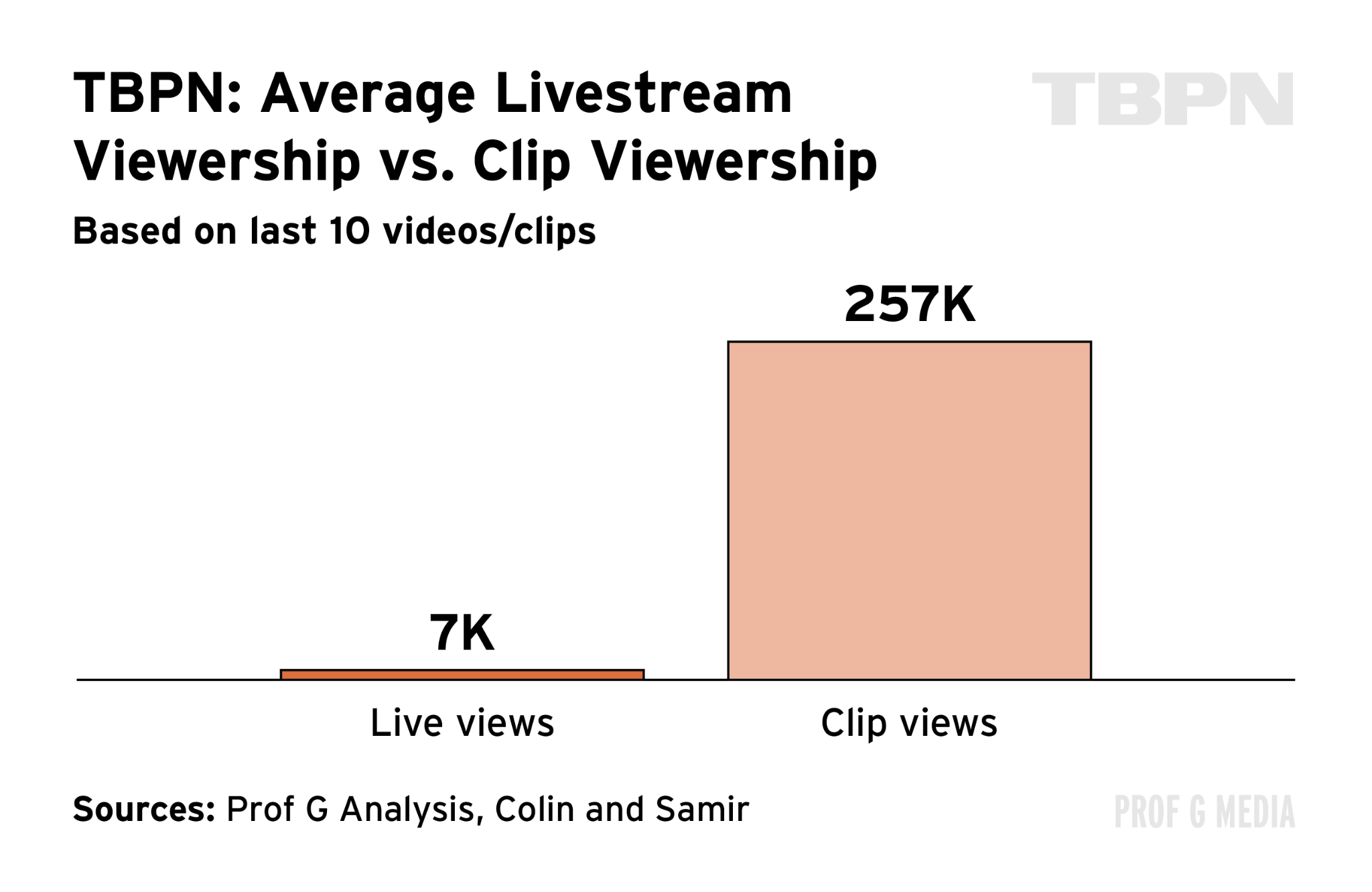
In a recent Colin and Samir podcast, they talked about how the OpenAI acquisition of tech news podcast and live stream TBPN was less about the scale of the show itself (tens of thousands of viewers), but more the creators' talent to tell interesting stories around tech, and possibly the brand that makes their takes more recognisable.
Because the creators and the brand are what allowed the show to achieve massive scale not through the live stream itself, but rather all the clipping efforts that followed it. The show is a meeting ground for viewers, sure, but it's also fodder for clippers to do their thing after.
Same with events. I do a lot of work in B2B, and events are not only a significant part of their marketing spend, they're a growing one. It makes sense, right? Live product demos, opportunity to meet the reps you might work with, discussion on industry topics, and so on.
But part of how you promote an event and distribute its contents is less about just the stuff that's discussed itself, or the product demos, and more about giving people with a voice collateral to add their own takes and remix what was said on stage. Again, fodder.
Access plus amplifiers
Earlier this year I read a thing about how consumer tech conferences are basically now fodder for content creators and media people. It may feel derogatory, but I actually just see it as a pragmatic way to think about comms strategy. The event gives you a sense of access and exclusivity, but the narrative that gets shaped after by said creators and media people – your earned media – is what sticks.
There's another practical consideration here, which is in how LLMs index information right now. I've seen evidence for the reducing importance of own channels and growing importance of third party channels, which means that you need to give the vocal people in your industry something to talk about. A new tool, new research, new framework, an exclusive of some kind that is worth writing about.
In other words... fodder. Now, fodder might feel like it diminishes the whole endeavour, but that's not my intention. It just feels like a very primal way to capture something that ultimately makes communities and ambassadors go round: stuff to talk about with others.
Pent up excitement
Is it any surprise that the Avengers Doomsday trailer refuses to come out, but what comes out are loads of mini-trailers, artwork, leaks which are not really leaks, and celeb speeches on stage? I actually think they're doing this well by giving fans stuff to talk about, so that the pent up excitement for the actual trailer builds up over time. All this tension and anticipation leads to attention for the real thing.
Whatever way you cut it, I find this to be a useful mental model. If community-esque endeavours are your game, fodder is how you play it. Give people stuff to discuss or do to generate earned reach, and you'll already be ahead of lots of people who still think what people want to talk about is your latest ad campaign or whatever.
Written by Rob Estreitinho, a comms and social strategy consultant and the founder of Salmon Labs. You might also enjoy getting my newsletter. 6,000 readers at a 60% open rate, read by agency and in-house strategy leaders from all five continents. Subscribe below.