10 B2B effectiveness case studies
Let's talk about B2B. And how boring and bleh it all feels, most of the time.
Except it doesn't have to, and there's a huge market opportunity for any of us who dare to find the unsexy stuff and attempt to make it sexy. Not a lot more sexy. Just 10% more. Given the bar is subterranean, it's enough.
The evidence bit
I've spent 3 hours reviewing everything I know about B2B effectiveness. It's now a 10-point list you can take to your next meeting. Pick n' mix time:
In 2024, B2B ads cost $38 billion (Statista). But only 15% of ads are distinctive (Ipsos). If we win by being memorable, we're pissing away money and for little to no return. Someone will ask questions.
95% of B2B buyers are out of market at any given time (WARC). As of 2024, the average time for a B2B sales cycle is 379 days (Dentsu). Anyone who thinks they're not playing the long game is delusional.
81% of B2B buyers buy a brand they knew of on Day 1 (Bain & LinkedIn). B2B brand fame campaigns deliver 2.2 ROI, vs 0.7 for activation (B2B Institute). Forgetfulness is the real wastage.
70% of B2B decisions are emotional, or a mix of emotional and rational (B2B Institute). A wrong move will cost you money, but also reputation among peers. Now tell me again business isn't personal.
10% extra share of voice causes B2B market share to rise by 0.7% p.a. (B2B Institute), but 75% of B2B ads score poorly on emotional engagement (B2B Institute & System1). Good ideas are important but not sufficient. You need to invest in them sufficiently to win.
97% of B2B marketers want to humanise their brand, only 26% do it (Allison+Partners). 71% of B2B marketers say they have a USP, 68% of buyers disagree (Dentsu). Your brand is what people say it is.
47% of campaigns with a clear Promise To The Customer grow brand health vs 19% without, 44% grow penetration vs 36% without, and 20% grow market share vs 7% without (WARC). It's kinda insane that you stand out by making a promise you deliver.
77% of attendees trusted a brand more after an interaction at a live event, and 70% felt more knowledgeable after exposure to a brand at a live event (Freeman Trust Report). Live events might be one of the last few AI-proof routes to market. IPA budget data agrees.
Delayed B2B opportunities cost $1.9tn (Dentsu). 84% of Account Based Marketing users reported improved reputation and 69% growth in revenue (WARC). Knowing how to follow up with people without getting annoying as fuck is the new B2B CX playground.
Brands that grow trust report 65% more business effects (IPA). People are 14% more likely to buy from a trusted brand, trusted companies outperform their sector by 6%, and by 11% in a crisis (Edelman). When AI slop destroys shared reality, trust beats trends.
The examples bit
There are two types of brand anxiety: having so many interesting parts that you're afraid of focusing on the wrong one, or feeling you don't have enough interestingness, and therefore not focusing on anything at all.
The latter is often where B2B brands fall short. "We're in a boring category", they say. And then fear and anxiety kicks in. But this is a denial of every organisation's inherent sense of freedom and responsibility.
Sarah Bakewell, channelling the existentialists' mindset, captures this:
“I am whatever I choose to make of myself at every moment. I am free and therefore I’m responsible for everything I do, a dizzying fact which causes an anxiety inseparable from human existence itself.”
The cocktail of freedom, responsibility and low key anxiety defines the most distinct B2B work out there. It's hard to try something new, and yet, without that, all we have is going through the motions. So try we must.
I've spent 10+ hours reviewing B2B effectiveness case studies, so you can get the hang of the 10 best ones in 10 minutes. Steal these like an artist.
1/ BT Enterprise
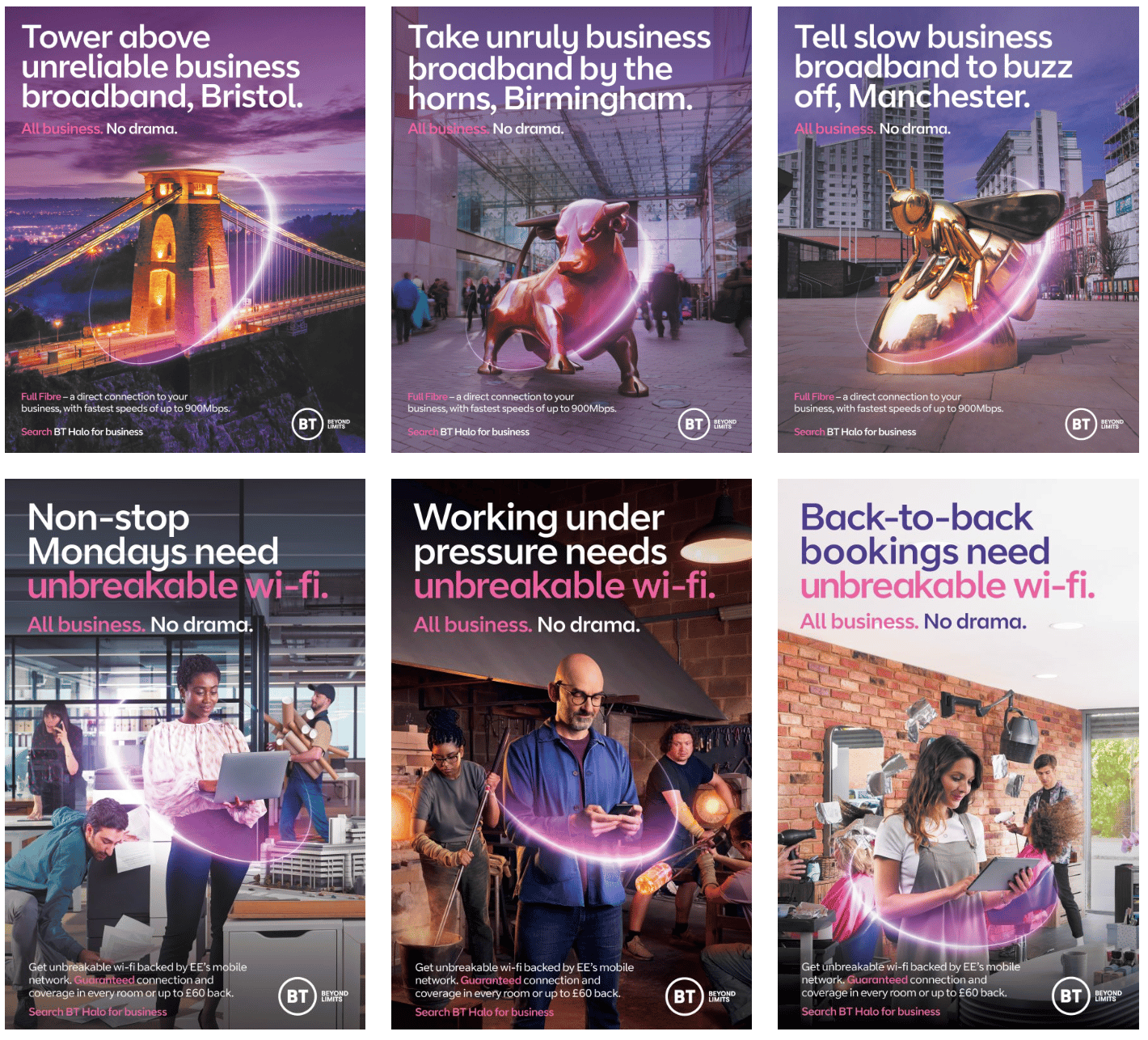
Business problem: BT was losing market share among UK SMEs. They had high awareness but low consideration, and were seen as remote, uninterested, and expensive.
Reframed problem: Don’t compete on price, compete on value perceptions. SME life is full of drama, so SME owners don't need soft empathetic messages. They need a reliable problem solver.
Solution: 'All business. No drama.', a campaign that uses humour to show everyday SME hardships and positions BT Enterprise as the broadband business partner that removes unnecessary drama.
Results: +22 points in quality perceptions. +11 points in brand trust. +7 points in consideration. Short-term ROMI of £6.32 per £1 spent. Long-term ROMI of £13.52 per £1.
2/ Dallas Regional Chamber
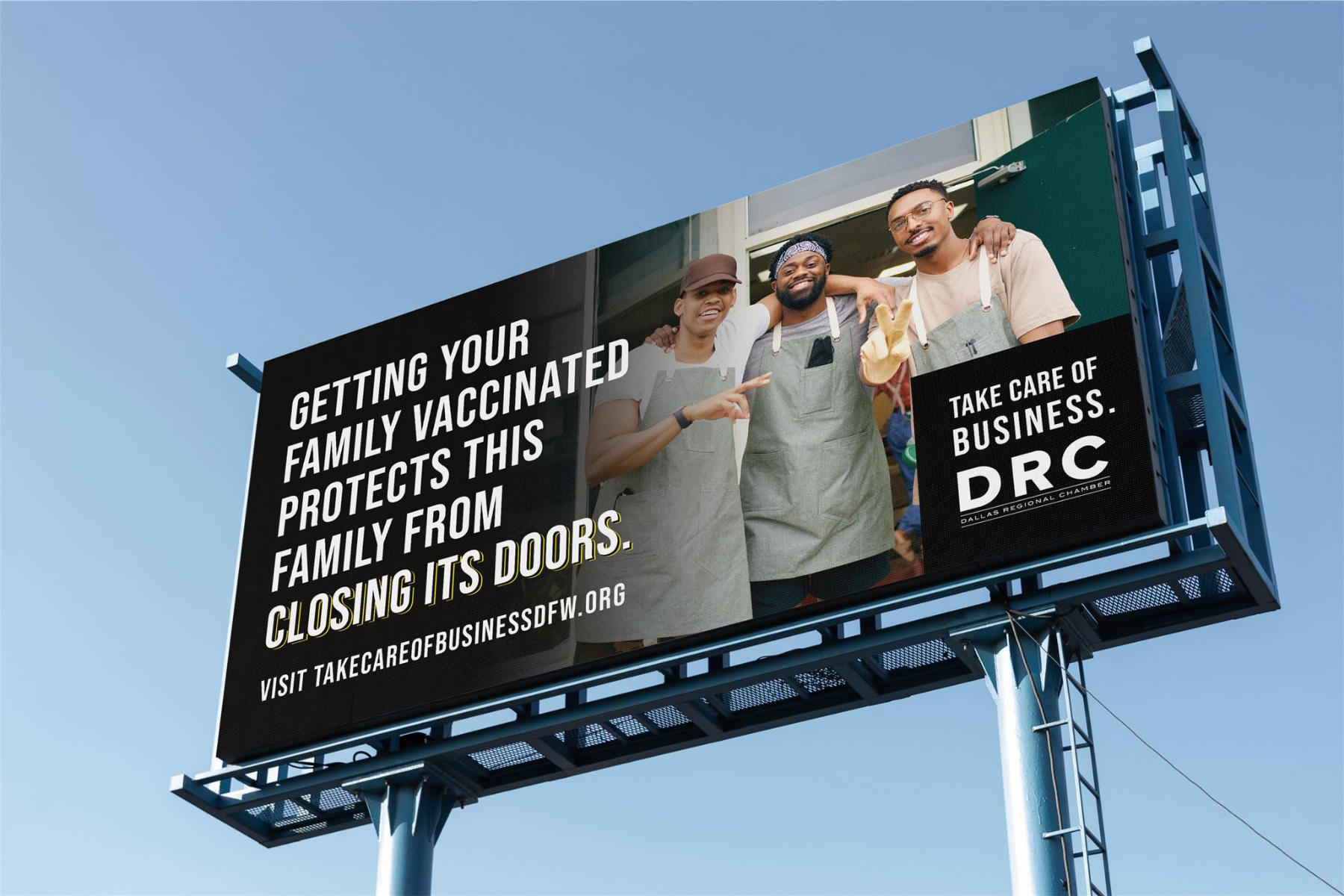
Business problem: 48% of North Texans didn't want the COVID-19 vaccine. The usual messages and spokespeople weren't working.
Reframed problem: Texans were more worried about economic survival than health. So, the DRC went beyond partisan messages and focused on how no vaccines cost money to local businesses.
Solution: The 'Take Care of Business' campaign, fronted by local business leaders instead of politicians. Plus, targeted messages for conservatives (focus on freedom), Spanish-speaking segments ("Manos A La Obra") and business owners (protect paychecks).
Results: 625k more vaccines in under 100 days.
3/ QuickBooks
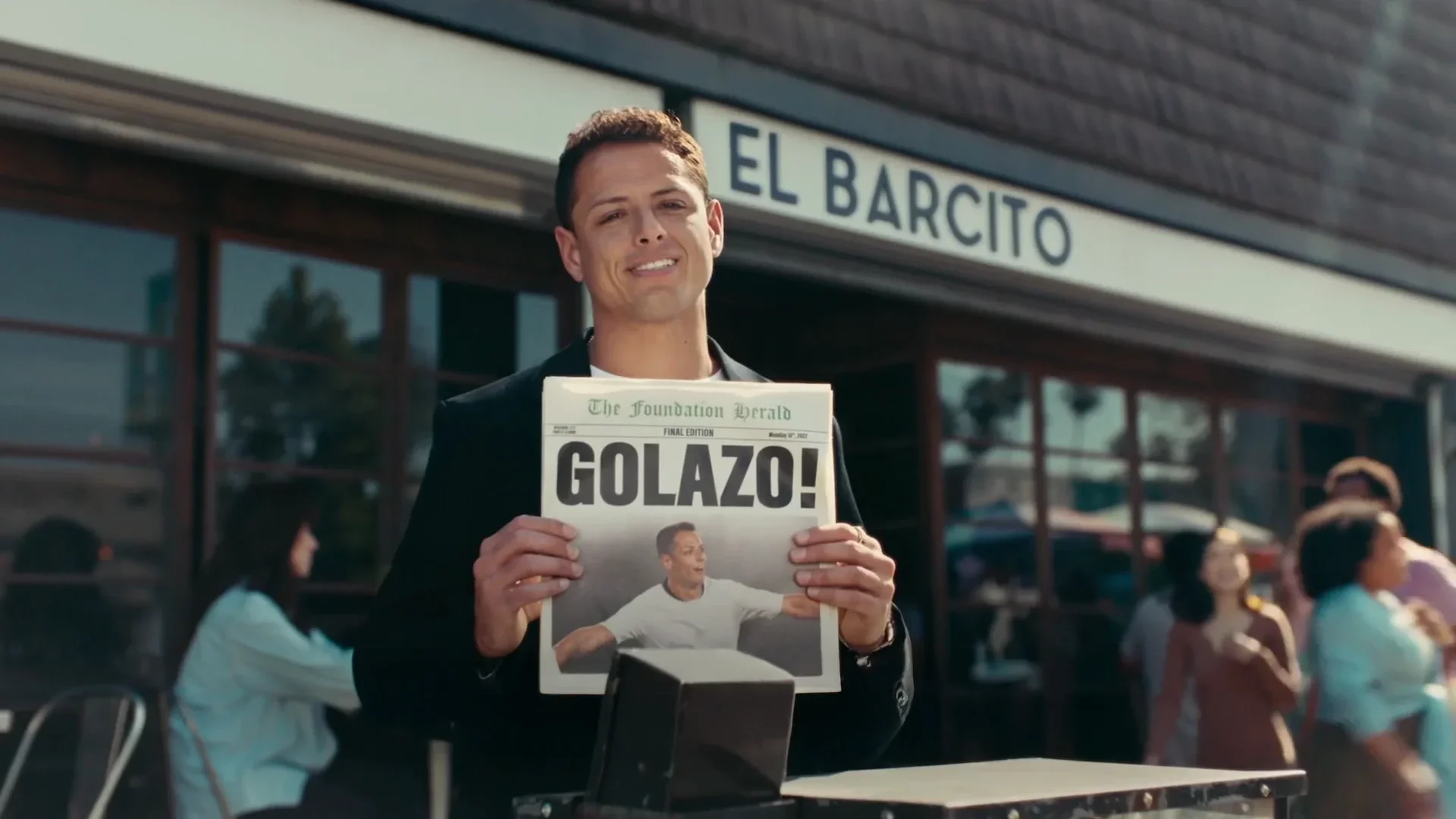
Business problem: Hispanic SMB owners thought their businesses were too small to invest in advanced software, like QuickBooks.
Reframed problem: Show that size is about potential, so every "small venture" was actually a "potential enterprise" in the making.
Solution: 'Think Ote', a campaign asking Hispanic SMB owners to think "ote" (large) not "ito" (small). Fronted by footballer Chicharito ("little pea"), who achieved big things despite his nickname.
Results: +27pp in awareness. +36 points in familiarity. +86 points in consideration. +96% new Hispanic users YoY, at a 43% lower CPA.
4/ Procell
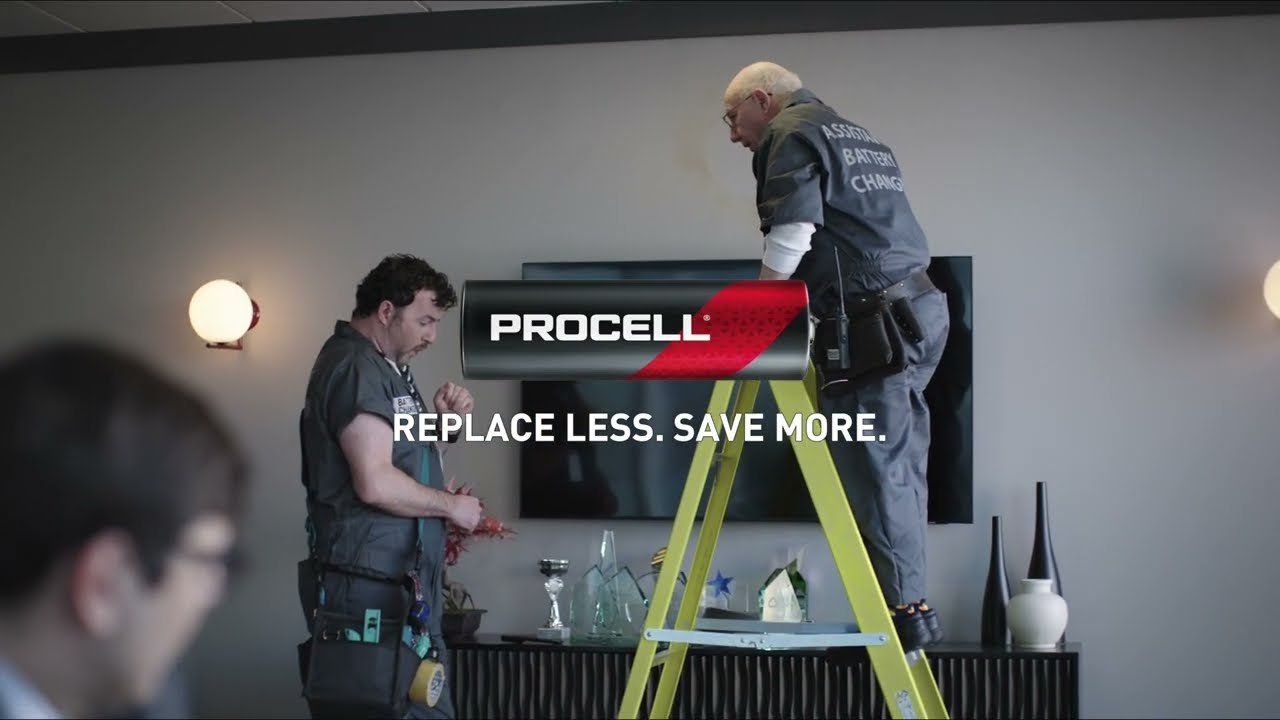
Business problem: Procell needed to increase market share despite being 30% more expensive. Procurement departments preferred familiar brands at lower prices, and Procell had lower awareness.
Reframed problem: Go from 'cost to buy' to 'cost to replace'. Battery replacement is 9x more expensive than the battery cost itself, so they needed to dramatise the cost of cheap batteries.
Solution: 'The Battery Changers', a campaign showing the wasteful labour costs of replacing batteries. The comms strategy was to Disrupt (break through apathy), Demonstrate (show the problem) and Deliver (savings calculator). Plus, they delivered actual physical 'Battery Changer Dolls' to capture the attention of decision-makers.
Results: +6 points on quality perceptions. -15 points on being seen as expensive. +7 points on top of mind awareness. +12% revenue growth and +10% share growth, compared to the previous year.
5/ Sage
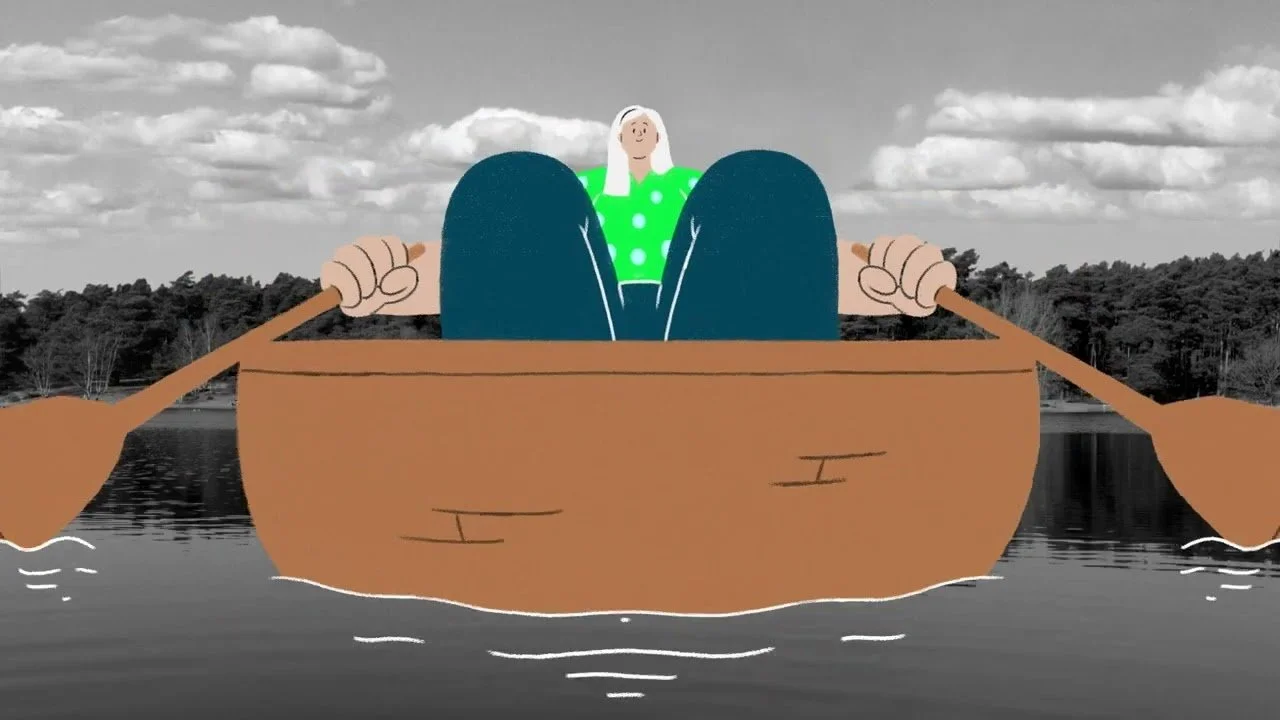
Business problem: Sage invented the accounting software category but were now seen as the old school option in the market. Plus, 95% of marketing costs were spent on in-market customers.
Reframed problem: Don't focus on B2B software benefits, but on the true human impact of finances and bookkeeping in a business.
Solution: 'Voices of Business', a campaign using unscripted customer stories around vulnerable and messy truths in business, paired with a distinct and vibrant animated brand world.
Results: +31% lift in recall. Leading on 'empathy' scores, +6 points ahead of the nearest competitor. +9% growth in ARR. 101% renewal rates, so customers not only renewed, they paid more.
6/ State Street Global Advisors
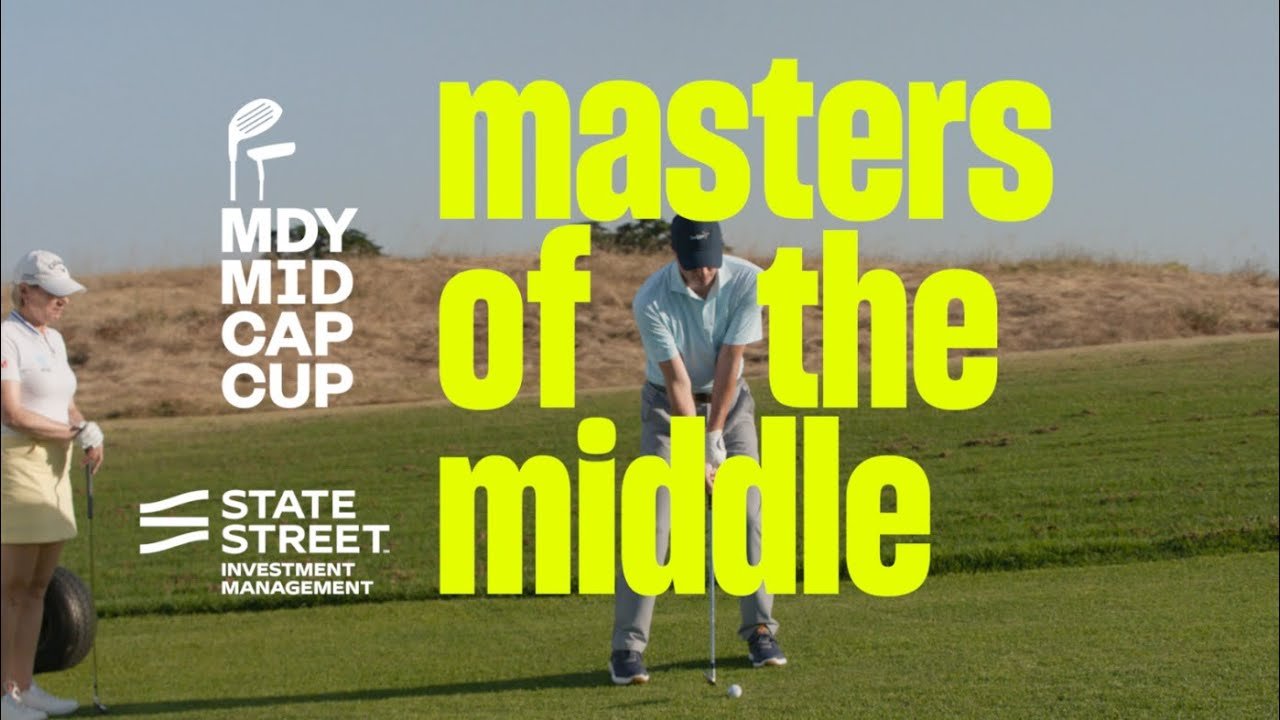
Business problem: They had a 10-year decline in their mid-market ETF product. Investors saw mid-caps as mediocre, so they made up 11% of portfolios, despite representing 24% of the equity market.
Reframed problem: Don't focus on why people should invest in mid-caps, but what happens if you take them away. And show that through golf, which financial advisors are 5x more likely to play.
Solution: The MDY Mid-Cap Cup, where golf legends play without their middle clubs for the first 9 holes, then again with their full bag. Executed as a 10-minute hero film, plus a live MDY Mid-Cap Cup event, where top clients tried playing golf without middle clubs.
Results: 3x engagement compared to benchmarks. 55x ROI from the activation. +16% in assets under management, an all-time high.
7/ Tesco Mobile
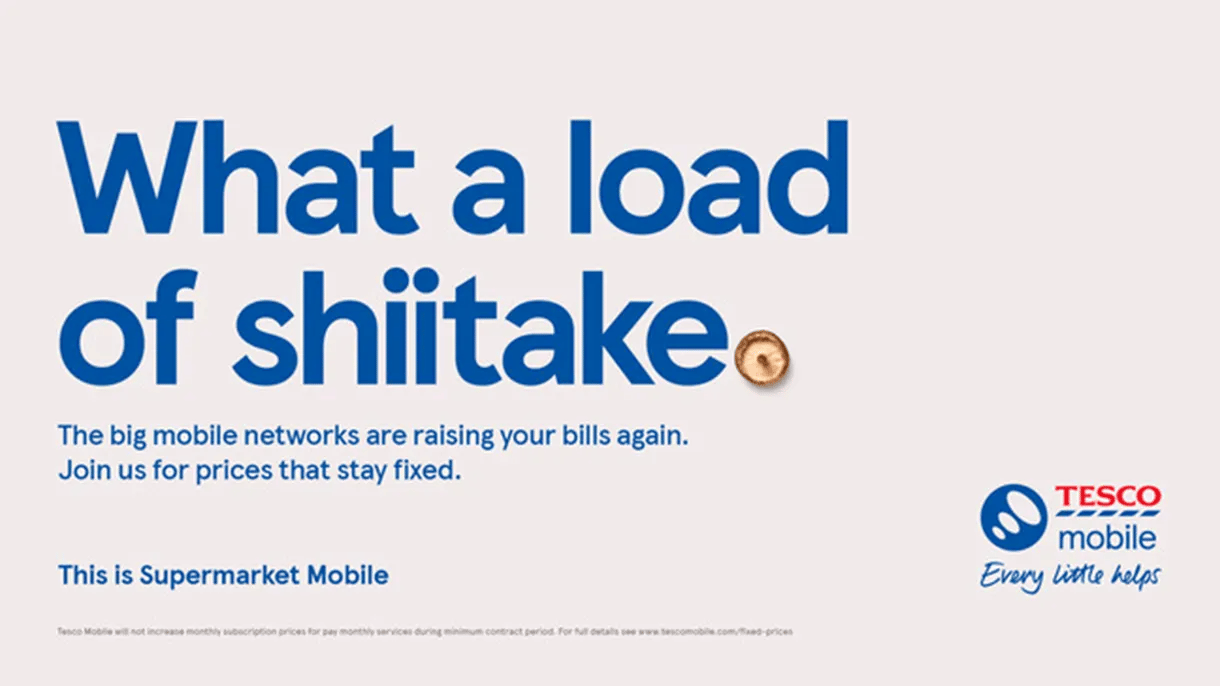
Business problem: The UK SME market was dominated by major networks, and Tesco Mobile only had 9% share of voice. Plus, they lacked the business credibility of other more established providers.
Reframed problem: Don't target the whole market, but blue-collar tradespeople with fewer than 10 employees, which felt ignored by major networks and trusted Tesco. Plus, position Tesco Mobile as the convenient choice, given it was available in any Tesco store.
Solution: Adopt the successful 'Supermarket Mobile' campaign, but target tradespeople by showing up in trade magazine ads, radio sponsorships on talkSPORT, and sandwich counters.
Results: +30% sales volume. £2.19 for every £1 in ROMI.
8/ Tide
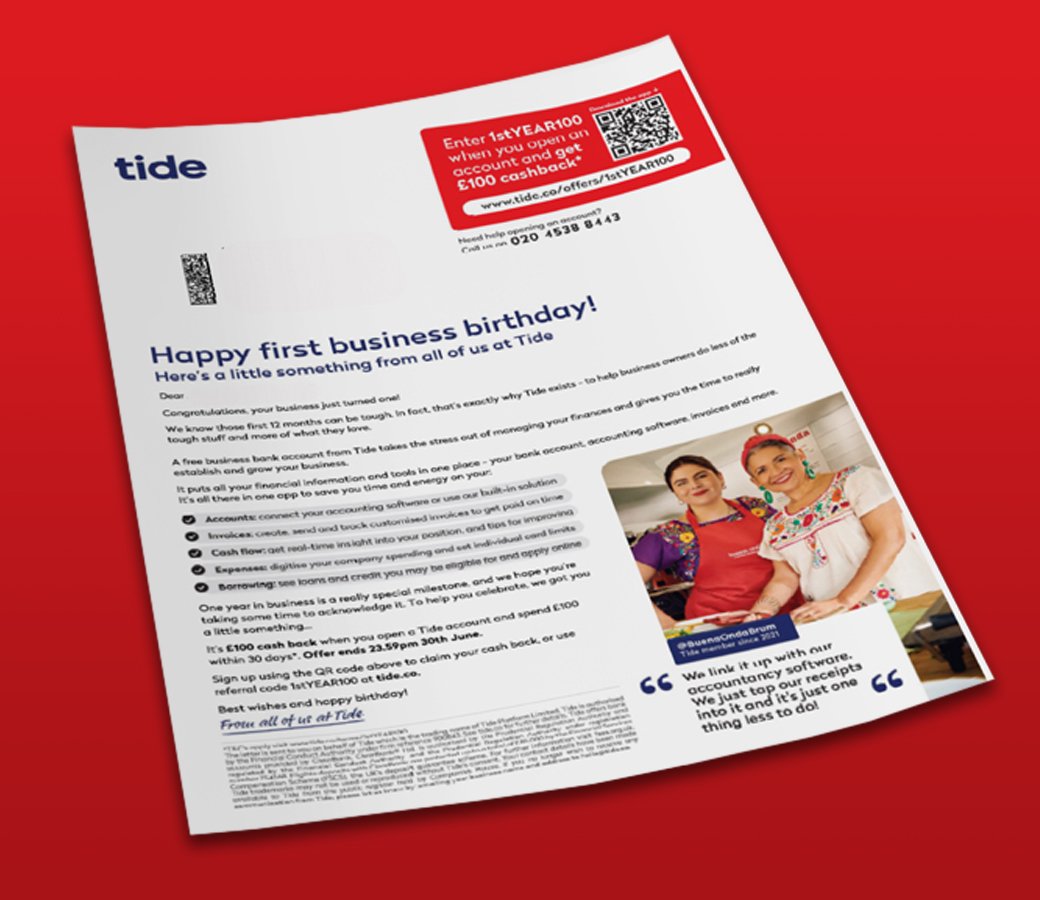
Business problem: Tide needed to reduce customer acquisition costs, and generic targeting approaches had varying results. So, they needed to find a way to grow more profitably.
Reframed problem: Through customer and campaign data, they identified businesses celebrating their first-year anniversary had higher response rates to Tide comms. This became their focus: businesses who were ready to go from survival to growth.
Solution: A targeted direct mail campaign addressing this segment, featuring a congratulatory tone, other stories of similar businesses, and a call to action offering a sign-up discount to track responses.
Results: 5x higher response rate. -78% cost per acquisition. +6% in NPS, compared to months which had no direct mail campaign.
9/ Workday
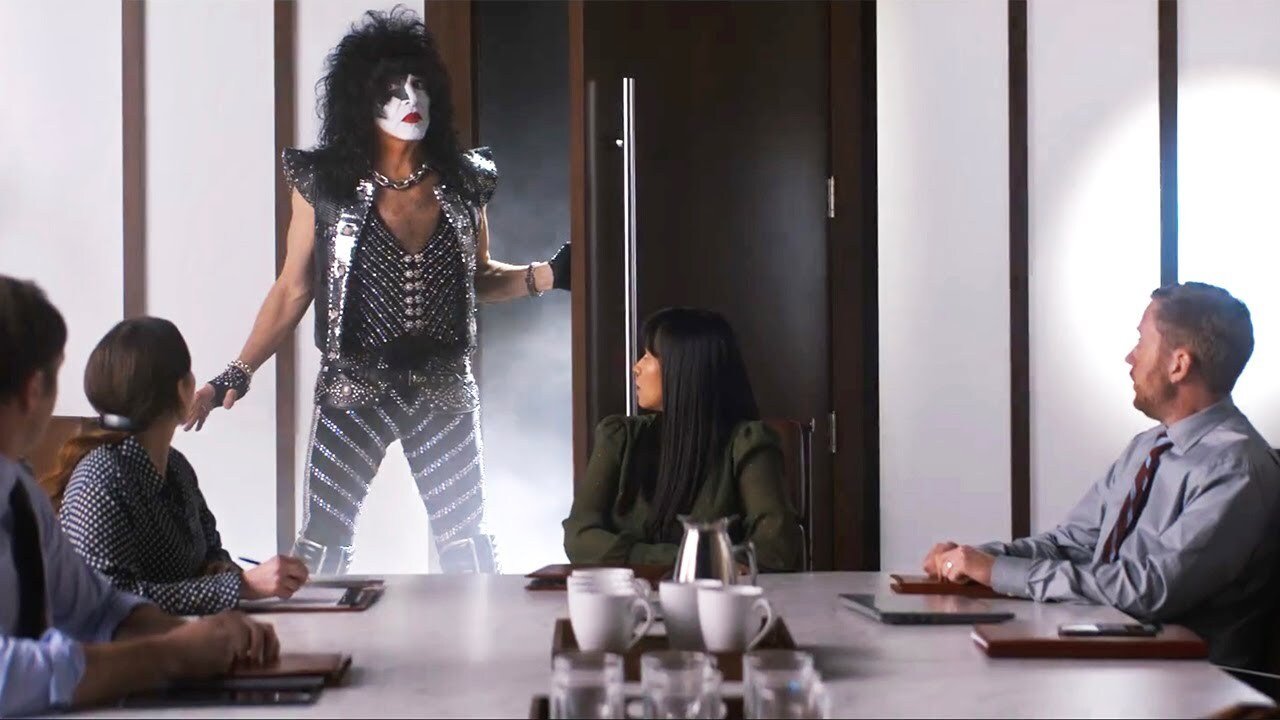
Business problem: Workday was only known for HR software, which limited growth with other crucial segments, like C-suite executives.
Reframed problem: Champion corporate leaders as the rockstars of business, using actual rockstars as campaign spokespeople.
Solution: The ‘Rockstar’ campaign, which premiered at the Super Bowl, featuring Ozzy Osbourne, Joan Jett, Paul Stanley and others. Supported by vintage posters and customer experience materials.
Results: +63% in consideration among those who recalled the campaign (38% in control group). +50% increase in the value of marketing-qualified leads. Incremental $268 million in lead value.
10/ Xero

Business problem: Compared to Sage and QuickBooks, Xero had low awareness, consideration and share of voice in the UK. Previous campaigns hadn't worked, and they were seen as more expensive.
Reframed problem: Show that proper accounting isn't a recessive task-filling job, but the driver of business success.
Solution: The ‘Healthy Business’ campaign, which used humour and entertainment to make Xero far more noticeable and memorable.
Results: +194% increase in brand awareness. +90% increase in consideration. +340% increase in brand equity. +156% increase in trust. +85% growth in market share. £2.11:1 gross profit ROMI.
What next?
One way to manage anxiety is to find practical lessons in everything we study and do, and this is no exception. These B2B examples offer three:
Define a shift. One way to know if you have a strategy is what the 'from/to' slide says. It means you're actively trying something new.
Go narrow-ish. Broad reach and frequency matter, but narrowing who you're targeting with your creative leads to sharper execution.
Sell the result. People don't care if the product can do the talking. They either care about gaining something, or not losing something.