

Every bank, insurer and investment platform says it's different.
Few can prove that supposed difference actually moved the right numbers.
Well, the ten below can. Profit ROMI of £4.17 for an insurer selling against price comparison sites. A 12.87:1 revenue return on business insurance. A bank that went from a £54m loss to £195m profit while their awareness doubled.
If you work in financial services marketing – stuff like pensions, ISAs, current accounts, SME cover, you get the gist – and you've been told your category is too dull, too regulated or too rational for brand work, then this one's for you. Or better yet, for you to pass on to whoever said that. The poor fools.
Bank, insurance and investment marketing case studies
I went through the 44 financial services papers in the Salmon Crew swipe file – sourced from places like the IPA, WARC, Cannes, APG, Effies, etc – and pulled the ten with the hardest numbers and the sharpest thinking across banking, insurance, investing, and SMB. Steal these like an artist.
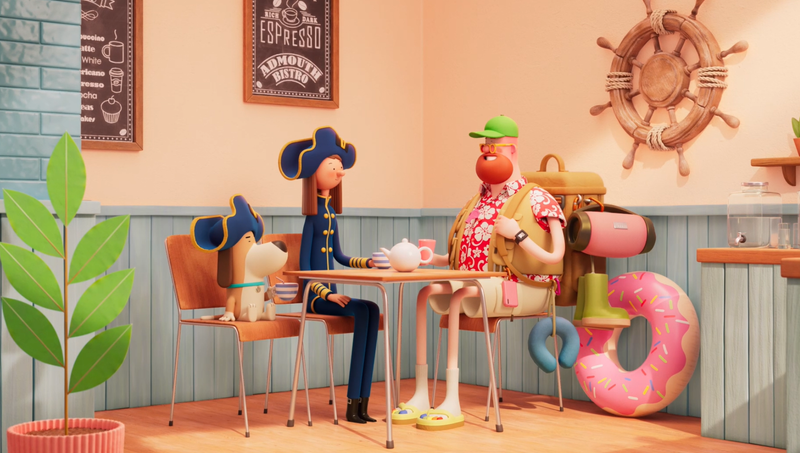
Admiral: How a stop-motion seaside town delivered £4.17 profit per £1
Objective: Grow market share from 12% to 15% and lift MultiCover sales by 20%, while being outspent by bigger rivals in a market where price comparison sites had made car insurance a race to the bottom.
Strategy: Get chosen before the price comparison starts by building a distinctive, loved world that people recognise.
Intervention: Created Ahoy Admouth, a nostalgic seaside town with two stop-motion-style characters voiced by Sally Phillips and Stephen Mangan, across TV, radio, OOH, social and the website.
Results: Grew market share to 18% (+2.96m customers), lifted MultiCover sales by 459%, reached second place for spontaneous awareness and delivered £4.17 profit ROMI.
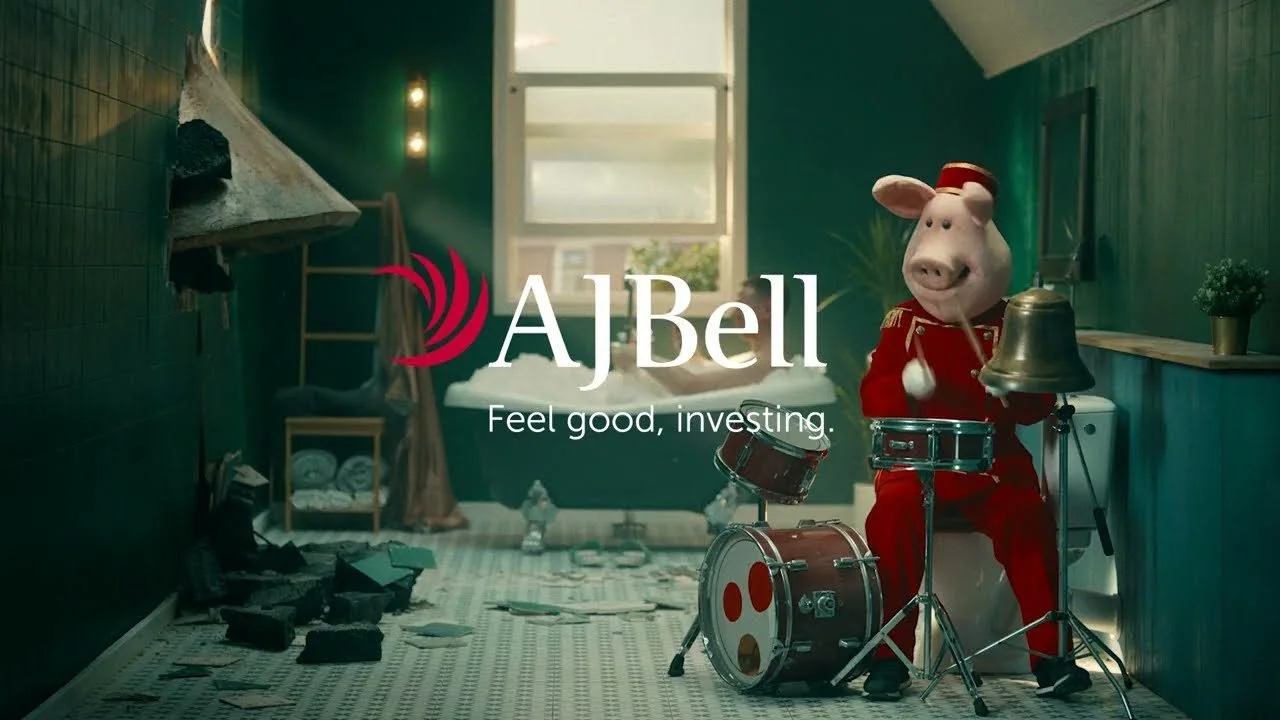
AJ Bell: How a bell took awareness from 27% to 71%
Objective: Close an awareness gap (just 27% prompted) and grow direct-to-consumer market share in a category people find complex and intimidating.
Strategy: Make investing feel like something you're allowed to enjoy, using the brand's own name as the asset people remember.
Intervention: Turned the brand name into a sonic asset with Clear as a bell, using 'Ring My Bell' as a soundtrack, Anna Maxwell Martin's voiceover and absurd bell characters, including a T-rex in a Hawaiian shirt, across TV, radio, OOH, social and the Great North Run.
Results: Took awareness to 71% (second in market), grew consideration 5x and D2C customers by 65%, lifted AUM share to 7.6%, cut CPA by 36% and delivered £3.83 lifetime ROI.
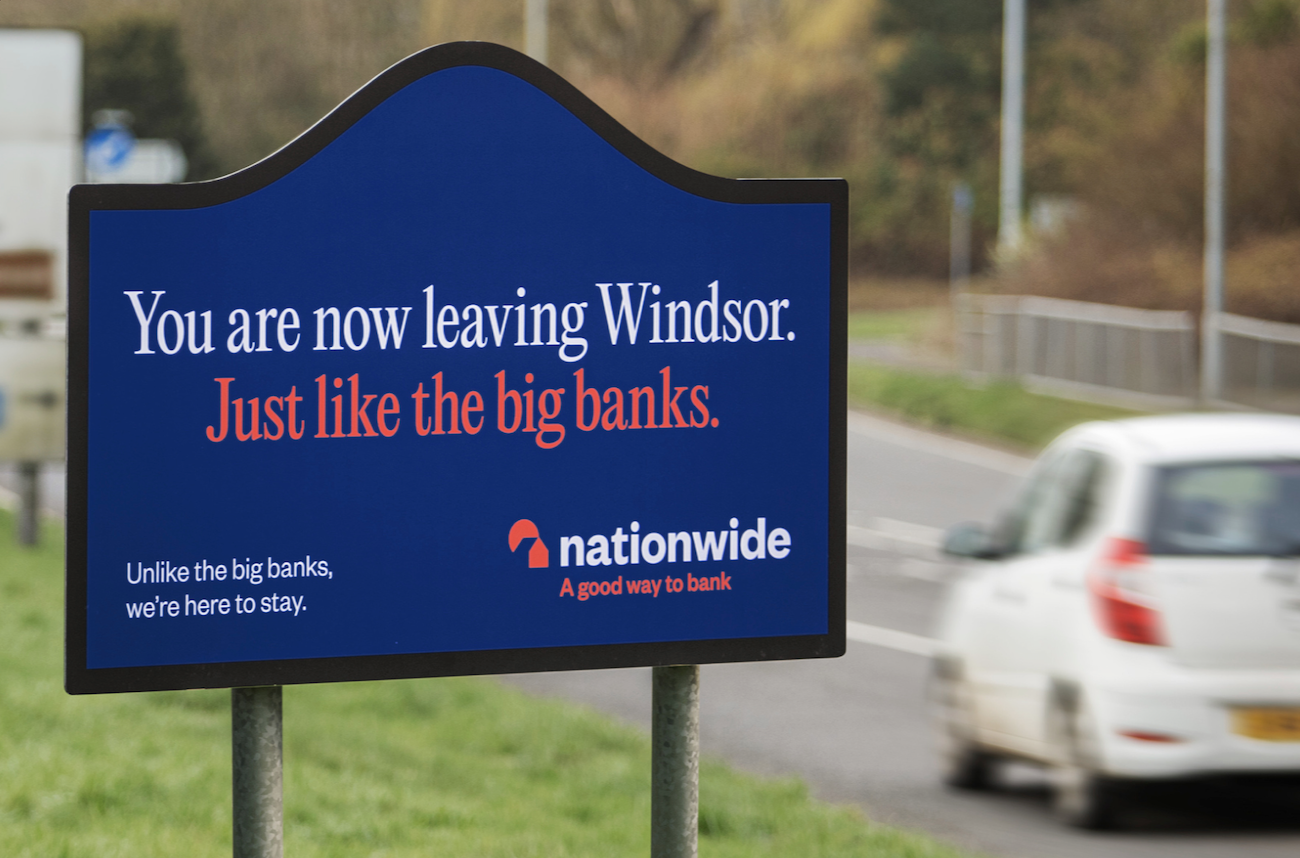
Nationwide: How marketing and finance teamed up for a 251% profit ROMI
Objective: Double current account direct sales and cut the £26m a year spent on incentives to buy switchers, at a brand that was well liked but only thought of for mortgages and savings (brand drove just 35% of its current account share, against Barclays' 84%).
Strategy: Turn a liked brand into the bank people think of for current accounts by building mental availability instead of buying switchers.
Intervention: Launched A Good Way to Bank, pitching the mutual squarely against the big banks with proof points like branches kept open to 2028 and a £100 Fairer Share payment to around 4m members, expressed gloves-off through films and press.
Results: Doubled direct sales from ads (4% to 8%), grew current account mental availability by 16%, cut switching incentive spend by £5m and delivered 251% profit ROMI.
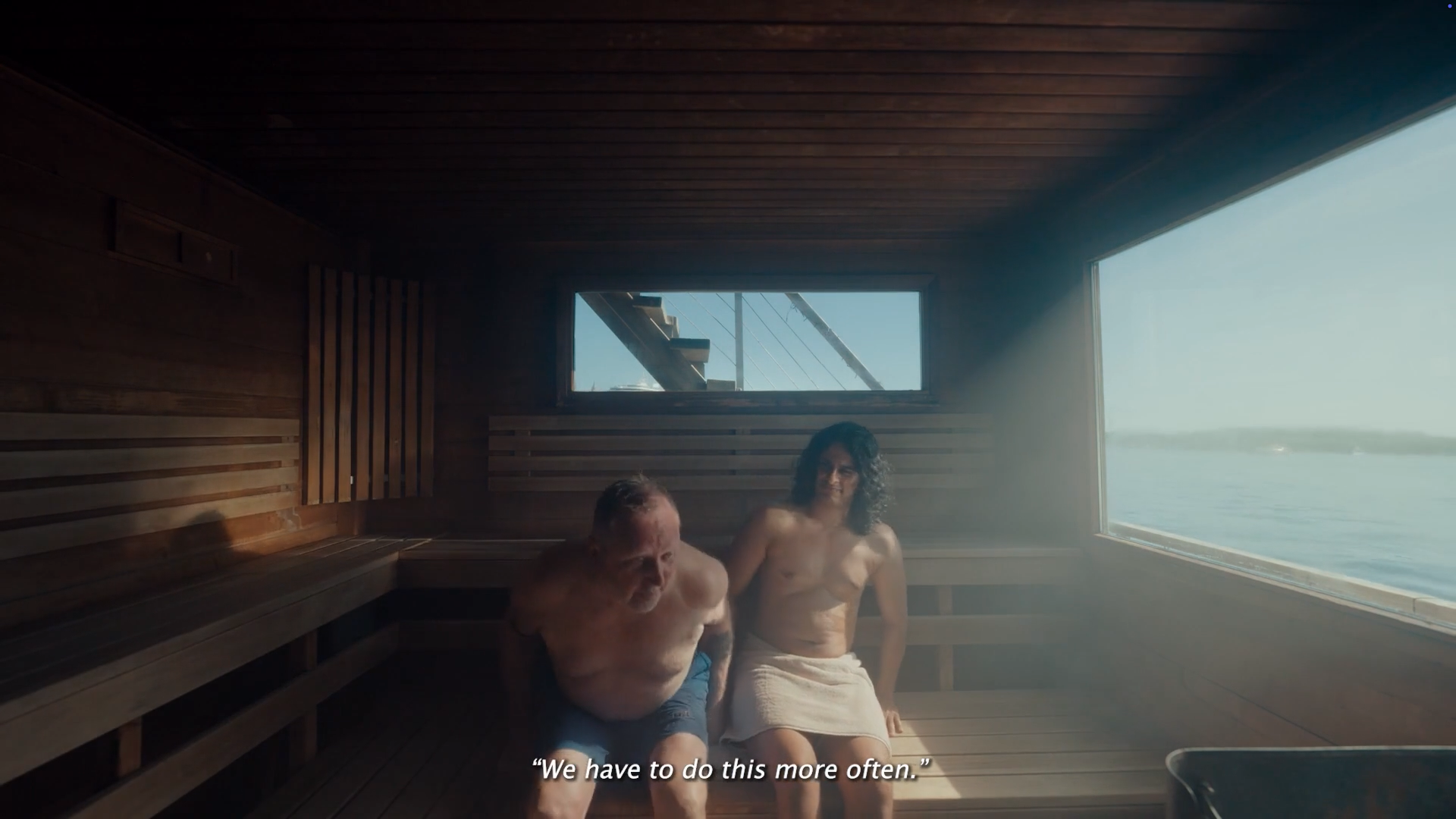
Gjensidige: How a half-naked sauna sold business insurance at 12.87:1
Objective: Stand out to Norwegian SMBs against rival If Insurance, in a low-interest category where only 5% of businesses switch insurer each year.
Strategy: Get remembered by the 95% who aren't shopping yet by making an emotional, funny entrance into a rational category.
Intervention: Ran Half-naked in the sauna, using an awkward team-building sauna kick-off to dramatise the difference between being exposed and fully covered, across radio, social and online film.
Results: Lifted awareness by 5 pts, digital leads by 94% and online sales by 39%, for a revenue ROI of 12.87:1.
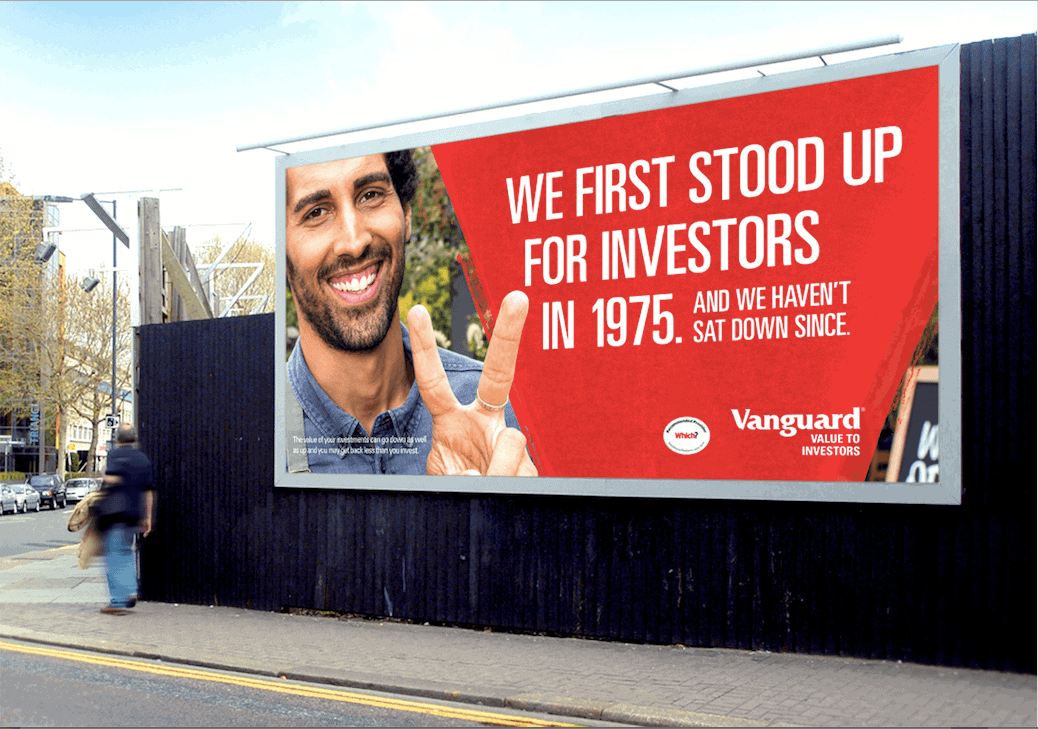
Vanguard: How brand advertising grew customers sevenfold
Objective: Grow UK customers with acquisition costs that pay back, when performance media drove half of new accounts and the brand was low on awareness and felt cold.
Strategy: Give a low-cost challenger new to UK DIY investing a reason to be loved by making it the champion of ordinary savers.
Intervention: Ran Value to Investors over three waves, keeping the same brand assets while moving from the brand's voice to customers' voices.
Results: Grew customers from 80,000 to 560,000+ and AUM from £2.1bn to £18bn, lifted share of new accounts from 5.5% to 13.1%, quadrupled awareness and improved ROI by 38% while spend rose fourfold.
Allianz: How a square football returned 8.1:1
Objective: Make a big global insurer, seen as transactional, feel closer to people and get it onto new-insurance shoppers' consideration lists against national brands.
Strategy: Take a side on something people care about, turning a Bayern Munich women's team sponsorship into a stand on money barriers in women's football.
Intervention: Made The squared ball, a regulation-weight football made square and printed with pay-gap facts, launched with Steffi Jones and backed by player stories, a hero film and paid social in six markets.
Results: Raised consideration by 14 pts (40% to 54%) and NPS from 18 to 27, more than doubled the share seeing Allianz as fostering gender equality (21% to 47%) and returned 8.1:1 ROMI.

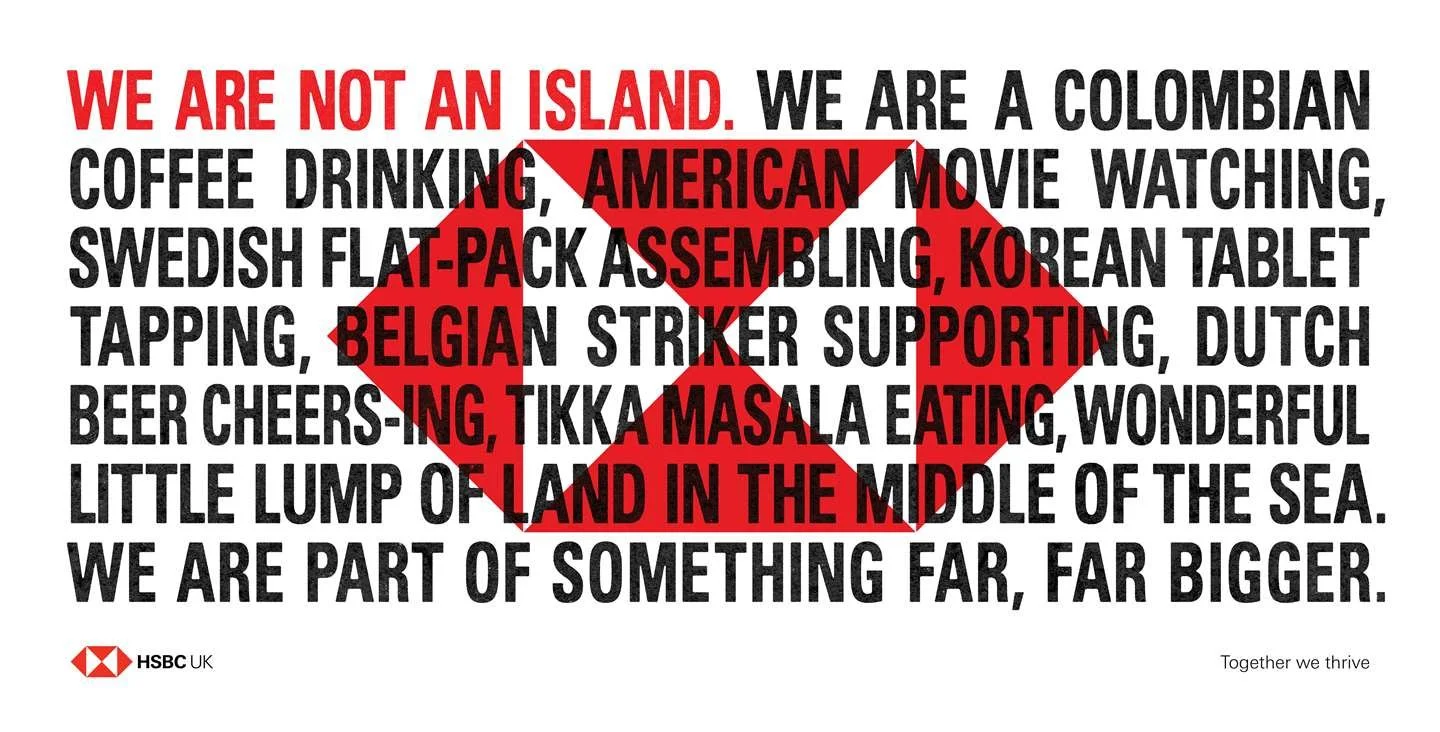
HSBC UK: How a point of view generated £380m+ in incremental profit
Objective: Rebuild brand power after dropping 'The World's Local Bank', when product-led advertising had seen it decline.
Strategy: Be remembered for what the bank stands for, not its products, by taking a consistent point of view on British life.
Intervention: Launched The value of a point of view, taking a stance on borders and belonging, fronted by Richard Ayoade with a supersized red hex logo and town-specific OOH.
Results: Lifted HSBC from seventh to fifth in Kantar's Brand Power ranking of UK banks (2017 to 2023), moved consideration ahead of the category and generated £380m+ incremental profit.
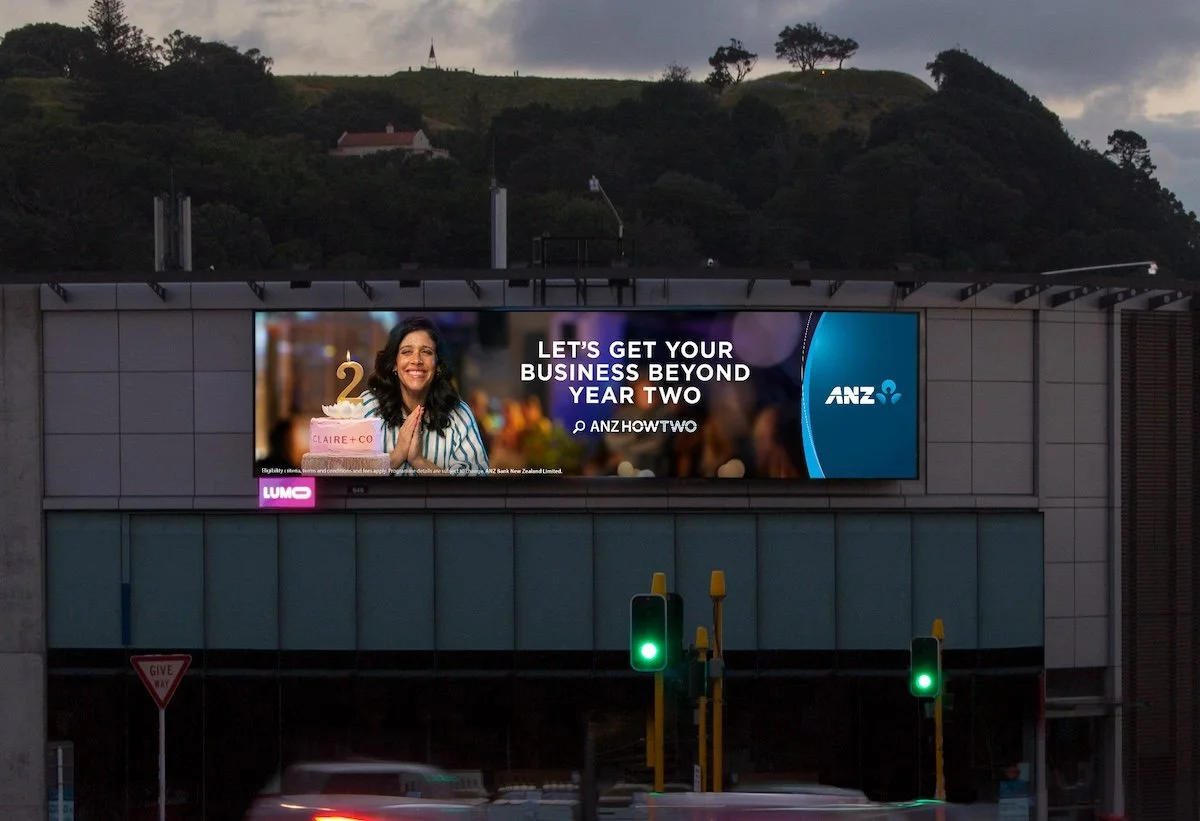
ANZ: How practical help beat big dreams for $4.37 per $1
Objective: Reverse falling share of voice and consideration in New Zealand after reputational fallout from bank conduct scandals.
Strategy: Swap the category's big dreams for a plan, because people don't need inspiration to buy a house, they just need to know their next steps.
Intervention: Ran If you have the why, we have the how. A fictional family, the Sharmas, showed the how in every ad, then pointed to a real tool: a financial wellbeing hub with a personal score, 1,000 home loan coaches on call as rates soared, and a 1% Good Energy Home Loan for energy-efficient upgrades.
Results: Delivered $4.37 profit per $1 (+$183.8m over three years), hit record consideration and grew mortgage share by 34bps (about $1.18bn of lending).
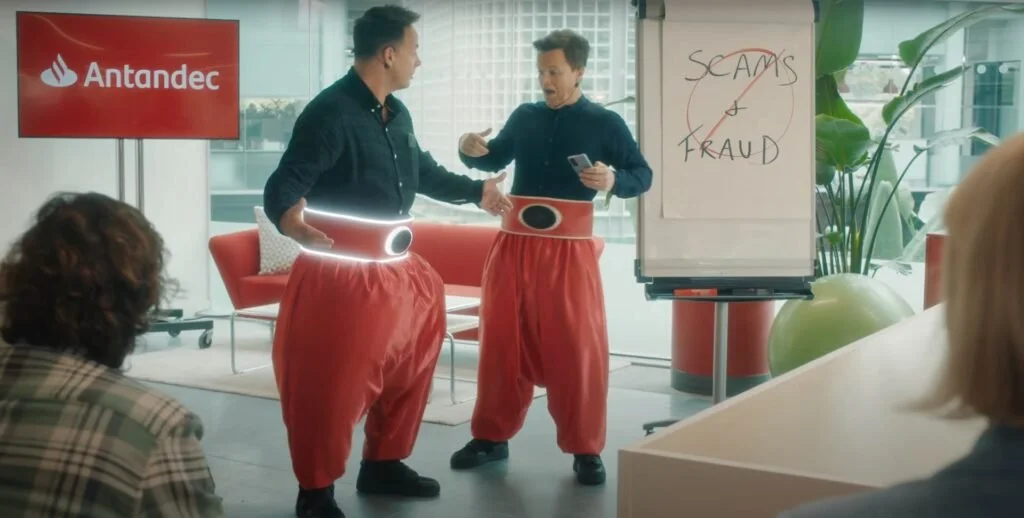
Santander: How Ant and Dec cut fraud losses by 30%
Objective: Cut the money Santander and its customers were losing to fraud and scams, when the bank's scam warnings were being ignored.
Strategy: Break the belief that warnings are meant for other people by being too catchy to ignore.
Intervention: Ran Stop! Scammertime!, with Ant and Dec performing a 'U Can't Touch This' parody in inflatable scam-detecting trousers across TV, cinema, radio and TikTok.
Results: Cut money lost to fraud by 30%, drove a 7,000% rise in visits to the anti-fraud page and improved perceptions of Santander's anti-fraud efforts.
Starling Bank: How acting like an old bank turned a £54m loss into £195m profit
Objective: Break into the mainstream with low trust, under 0.5% market share and a fraction of the incumbents' budgets.
Strategy: Earn trust by looking like a bank that will still be here in 20 years, borrowing the composure of the big banks while other neo-banks shouted about features.
Intervention: Ran four TV-led campaigns from 2020 to 2024 (New Bank, Old Planning Tricks), including a flying shed and 'Set yourself free' to Cream's I Feel Free. The media was the message: off the tube cards and into premium rail-side and high-street OOH, aimed at an older, wealthier audience beyond London.
Results: Lifted prompted awareness from 26.5% to 61.7%, trust from 58% to 70% and consideration from 5.6% to 12.7%, grew share from 0.5% to 2.4%, opened 1.95m accounts and reached £195m profit.

What makes financial services marketing effective
When I look at the above and all 44 papers in my swipe file, a few patterns came up.
Feeling beats proof, even in finance
Evidence: Emotional, fame-driven campaigns outperform rational ones in B2B by around 10x (Binet & Field), and 70% of B2B purchase decisions are primarily emotional or a mix of emotional and rational (LinkedIn B2B Institute).
Examples: AJ Bell, Admiral, Vanguard
Most of your market isn't switching today
Evidence: The 95:5 rule: in many categories only around 5% of buyers are in the market at any time, and the other 95% will buy later (James Hurman).
Examples: Gjensidige, Admiral, Nationwide
Brand pays back in profit, not just awareness
Evidence: The average campaign returns £3.24 in profit per £1 over three years, and 58% of that return lands after the short term (Profit Ability). In financial services, TV and out-of-home deliver the biggest long-term multipliers.
Examples: Admiral, AJ Bell, ANZ, Nationwide
Consistency compounds
Evidence: Campaigns in the top quartile for consistency are 2.9x more likely to report incremental profit than those in the bottom quartile. This is the biggest multiplier of any creativity type, ahead of emotion (2.4x), showmanship (1.6x) and distinctiveness (1.4x) (Effie, System1).
Examples: Vanguard, Starling Bank, Admiral
What next for financial services marketers?
Talk to the 95%. Most of your market won't switch this year. Build memory now so you're the obvious choice when they do.
Find the blocking belief. Santander's problem wasn't awareness of scams, it was people thinking warnings were for someone else. Name the belief, then attack it.
Measure in profit. The papers that won budget arguments talked to finance in their own language. Nationwide literally brought the finance team into the room.
Frequently Asked Questions
Does brand advertising pay back in financial services?
Yes. Across 2,000+ UK campaigns, the average campaign returns £3.24 in profit per £1 over three years, and in financial services TV and out-of-home deliver the biggest long-term effects. Admiral (£4.17 profit ROMI) and ANZ ($4.37 per $1) show it at brand level.
What creative approach works best for banks, insurers and investment platforms?
Feeling beats proof. Of the 44 financial services papers in the Salmon Crew swipe file, only 3 lead with proof and credibility; cause and belonging (9) and story and character (8) lead the pack.
Why invest in brand when so few customers switch?
Because most of your market isn't buying today. Under the 95:5 rule, only around 5% of buyers are in the market at any time. Brand building makes you the obvious choice when the other 95% are ready.
How do you get finance to back brand investment?
Measure in profit and build the case together. Nationwide set up a neutral marketing effectiveness team and had finance co-create the impact studies, then reached 251% profit ROMI.
Which financial services marketing case studies are worth studying?
Admiral, AJ Bell, Nationwide, Gjensidige, Vanguard, Allianz, HSBC UK, ANZ, Santander and Starling Bank, all covered above.