
2025 event marketing statistics: data, trends, and brand examples
Event budgets are growing at +10.9% for 2025/26, against a -3.1% decline in overall B2B marketing spend. 77% of attendees trust a brand more after an in-person interaction, and event engagement drives purchase consideration 34% higher than among non-attendees, with those who engage 60% more likely to purchase. 80% of marketers believe live events are critical to their mix, and 78% plan to maintain or grow their event budgets this year.
Meaning? Events and experiences are no longer a nice-to-have in your marketing mix. They’re actually one of the fastest-growing budget lines for B2B brands, and a growing part of how B2B brands deliver more effective campaigns.
This post pulls together 10+ hours of research and a decade of experience into the statistics, trends, and brand examples that explain why live experiences can out-perform digital-only comms. If you're making the case internally for events, or trying to understand where the market is going, this is the evidence base you need.
Looking at the last 24 months of my work, I keep coming back to something that now feels crystal clear: the ability to hold space. For people, ideas, connection. A sense of vulnerability. When I speak with clients, this theme keeps coming back.
Here’s what you can find below:
Let’s get into it.
Why B2B brands are doubling down on events in 2025
Here’s everything I found about why events and experiential matter so much for brands.
The market is moving toward events
Event budgets grew 3.9% in Q3 2025, with 10.9% growth anticipated for 2025/26 (IPA)
Event budgets are growing at +10.9%, vs a -3.1% overall B2B decline (IPA and Stein)
78% of marketers plan to keep or grow event budgets (Eventbrite)
80% of marketers believe live events are critical, and 77% use experiential tactics (WARC)
Events build trust
77% of attendees trusted a brand more after an interaction at an event (Freeman)
Attendees who recalled a brand partner showed +40% stronger trust associations (AEG)
Brands at events were associated with a "strong reputation" (+32% uplift), rising a further +26% when engaged with (AEG)
75% of fans agree that long-term event partnerships foster stability and trust (Kantar)
9% of brand equity is now driven by corporate reputation, 3x vs a decade ago (BrandZ)
Trust has commercial value
Trust among leading brands correlates with 50% increase in market share, 2x more advocacy, 14% more intent, 6% stock market outperformance and 11% outperformance during a crisis (Edelman)
Events drive consideration and purchase
Event engagement drives consideration to 62%, 34% higher than non-engagers (AEG)
46% brand consideration among attendees who recalled a partner, a 60% uplift vs those who didn't (AEG)
Attendees who engaged with brands at events are 60% more likely to purchase (AEG)
Events create lasting memory and emotion
66% of fans cite live music as the most memorable moments of their lives (AEG)
Sports sponsorship drives 58% increase in emotional response vs other ads (Fuse/System1)
70% felt more knowledgeable after exposure to a brand at a live event (Freeman)
98% of emotions last beyond the event, and 22% form lasting memories (AEG)
Events (can) improve brand tone and amplification
97% of B2B marketers want to humanise their brand, yet only 26% achieve it (Allison+Partners & Censuswide)
70% say content amplification is important, but only 37% execute well, and this drops to 23% in B2B (Event Marketing Institute / Jack Morton)
Copy/paste the above into your next presentation, and get the budget your event deserves.
24 B2B and B2C brands winning at events
The evidence is one side of the story. The other side is made up of the examples of who’s doing it well. Here are some of my favourite references of experiential and events work. Steal at will.
Adobe MAX Sneaks: Comedy-hosted AI demos
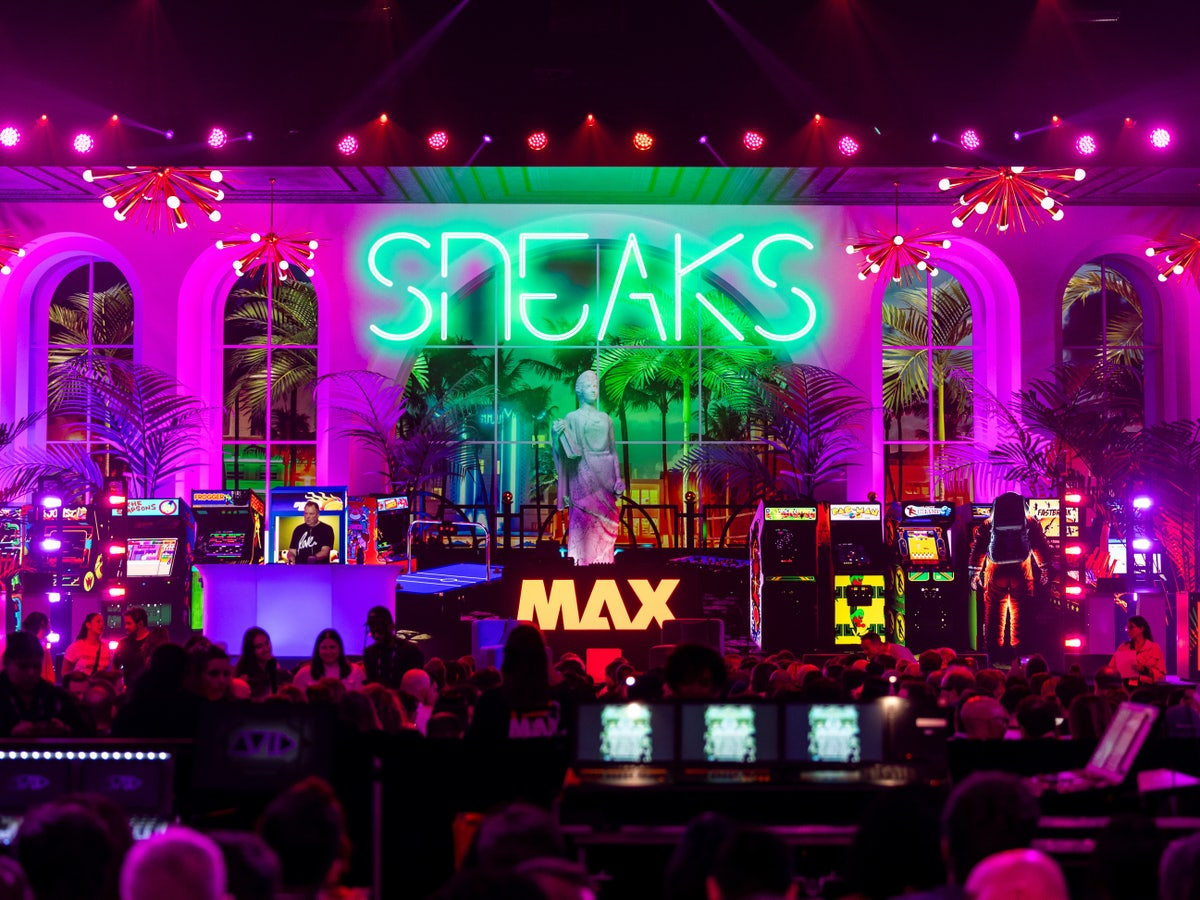
Adobe MAX Sneaks is an annual tradition where researchers demo experimental AI projects live on stage in front of 10,000+ attendees. That’s projects that may or may not ever become real products. The format pairs engineers with a stand-up comedian (past hosts include John Mulaney and Jessica Williams) who provides live commentary, turning what could be a dry tech showcase into something closer to a science fair meets late-night TV. It's exclusive to in-person attendees, creating real scarcity around a conference that also streams globally.
AT&T Dribble Town: A digitally-powered NBA court
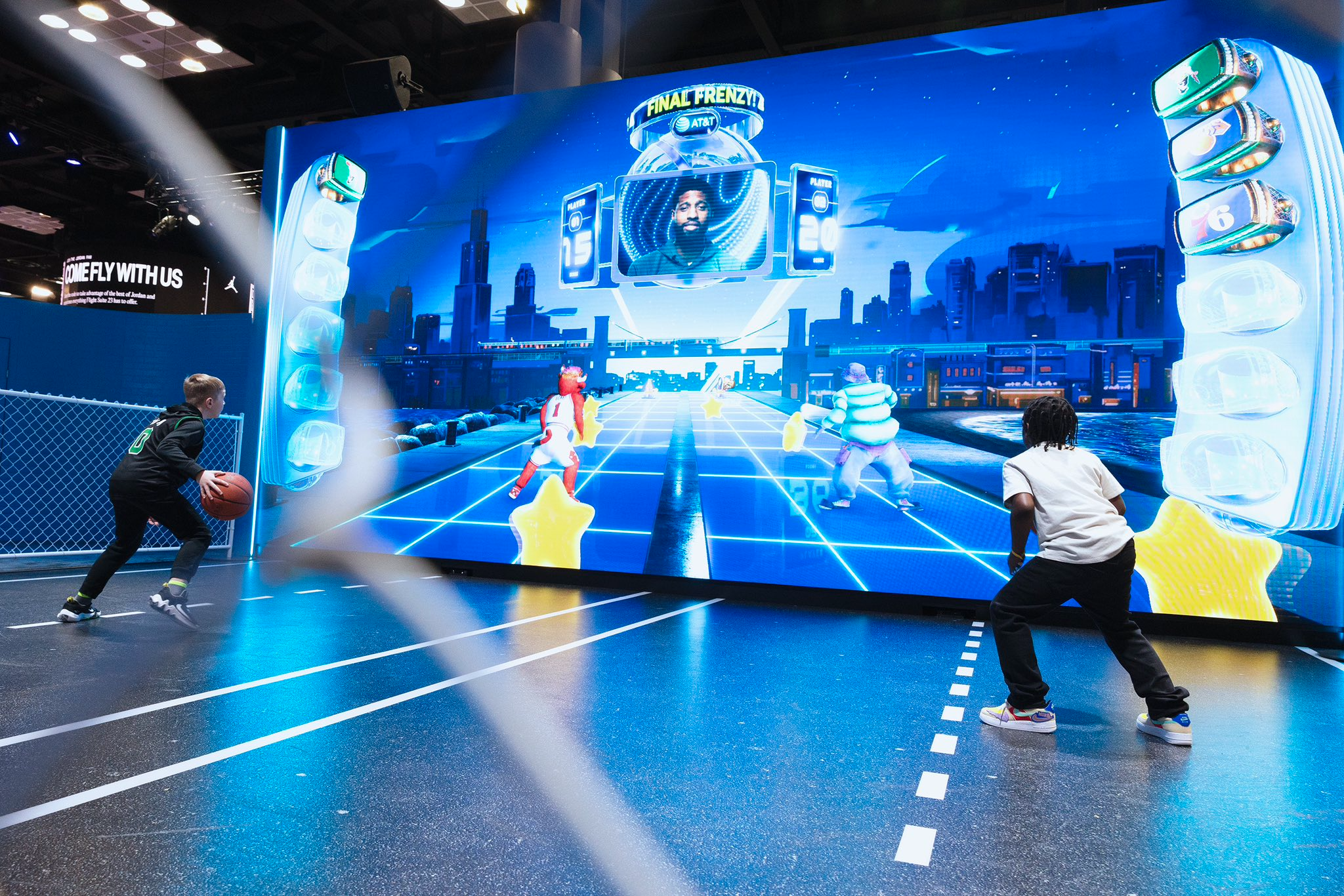
AT&T created Dribble Town, a digitally-powered basketball court that let NBA fans physically play together using connected technology, blurring the line between spectator and participant. The activation used real-time connectivity to bring the brand's 5G messaging to life through play rather than advertising.
CALM: ‘The Last Photo’ and ‘Missed Birthdays’ made suicide impossible to ignore
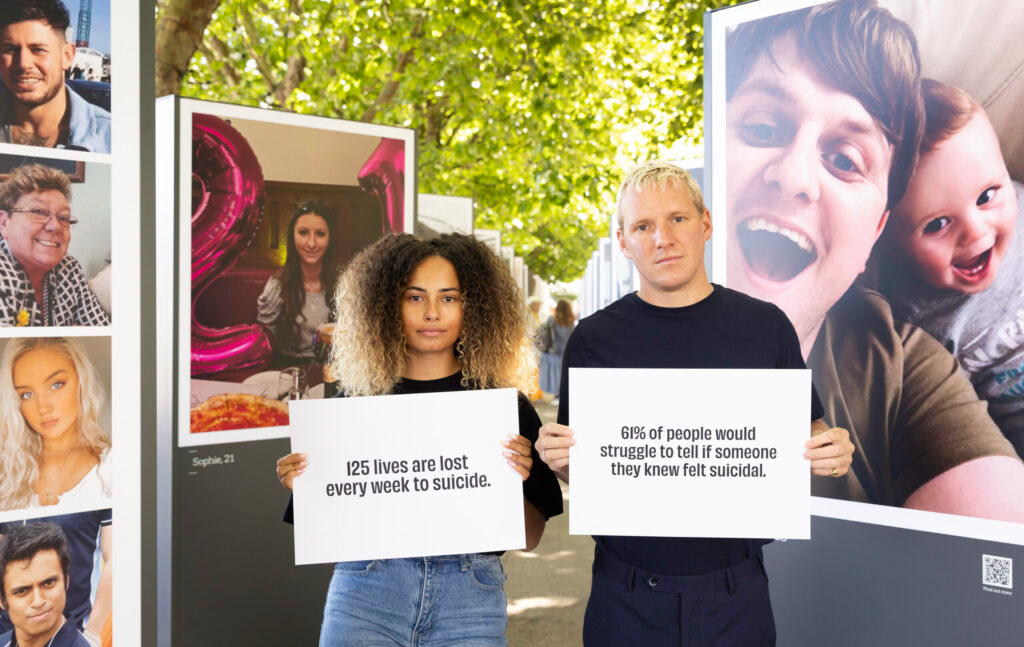
CALM's ‘The Last Photo’ placed 50 large unbranded smiling portraits on London's South Bank, each one later revealed to be the last photograph of someone who died by suicide. The installation drew 500,000+ in-person visitors and was seen by over 7.5 million people live on TV. It generated 1.6 billion impressions and a 33% rise in online conversations about suicide, plus a 400% YoY increase in donations. In the six months following, CALM attributed 161 prevented suicides to the campaign.
A follow-up activation, ‘Missed Birthdays’, installed 6,929 birthday balloons at Westfield White City, one for every young person who died by suicide in the UK over the past decade.
Cheetos Chip Strip: Getting married by a hologram in Vegas
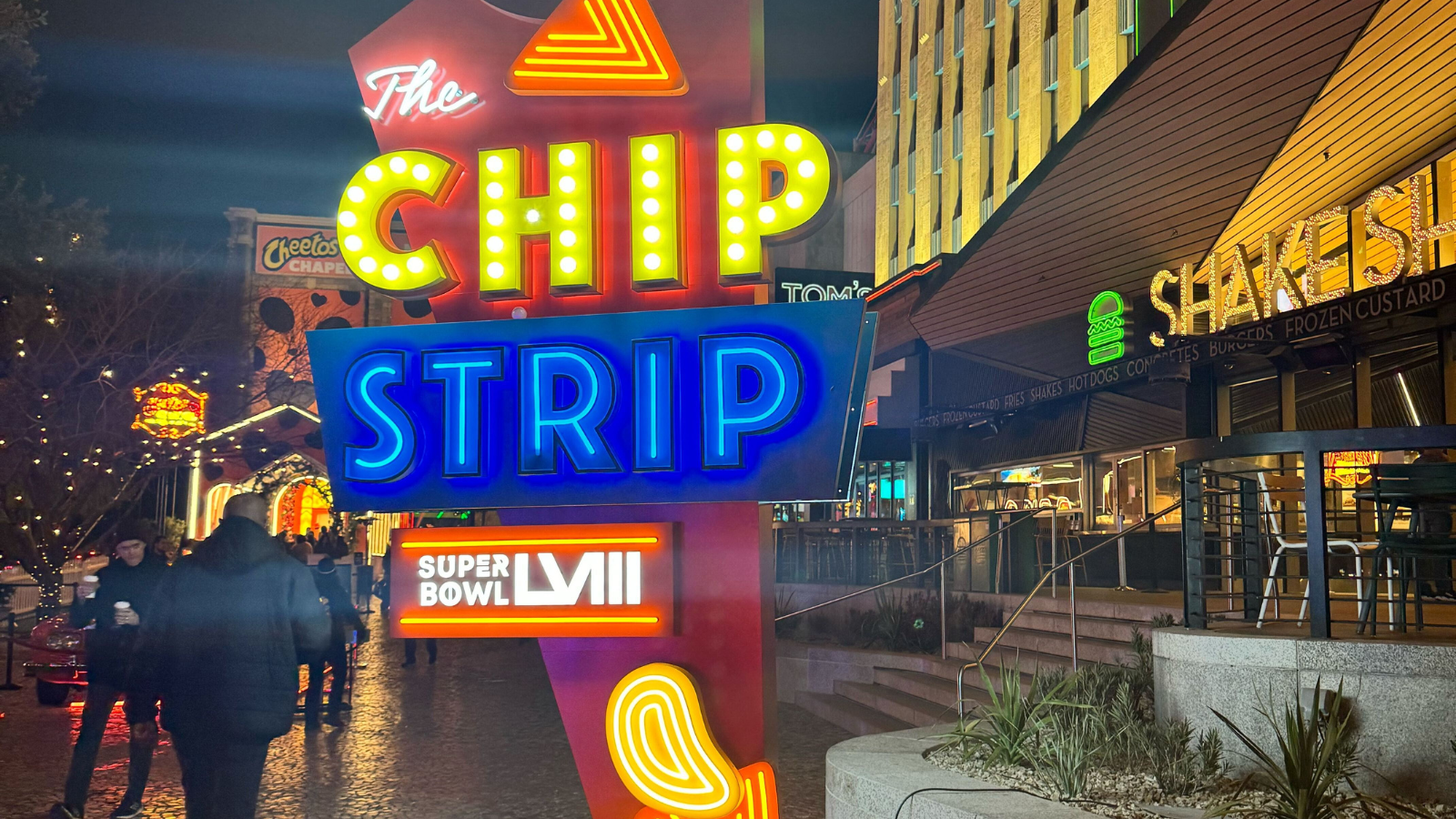
As part of Frito-Lay's Chip Strip takeover of the Las Vegas Strip ahead of Super Bowl LVIII, Cheetos built a full wedding chapel next to New York-New York Hotel & Casino. A holographic Chester Cheetah officiated ceremonies, pronounced couples "partners in mischief in puffy times or in crunchy", and handed out Cheetos-inspired wedding attire and cake.
The weddings weren't legally binding. Arguably, this was the point. The activation drew long queues throughout the weekend and earned widespread press coverage beyond sports media.
C2 Montreal SkyLab: Brainstorming suspended in mid-air
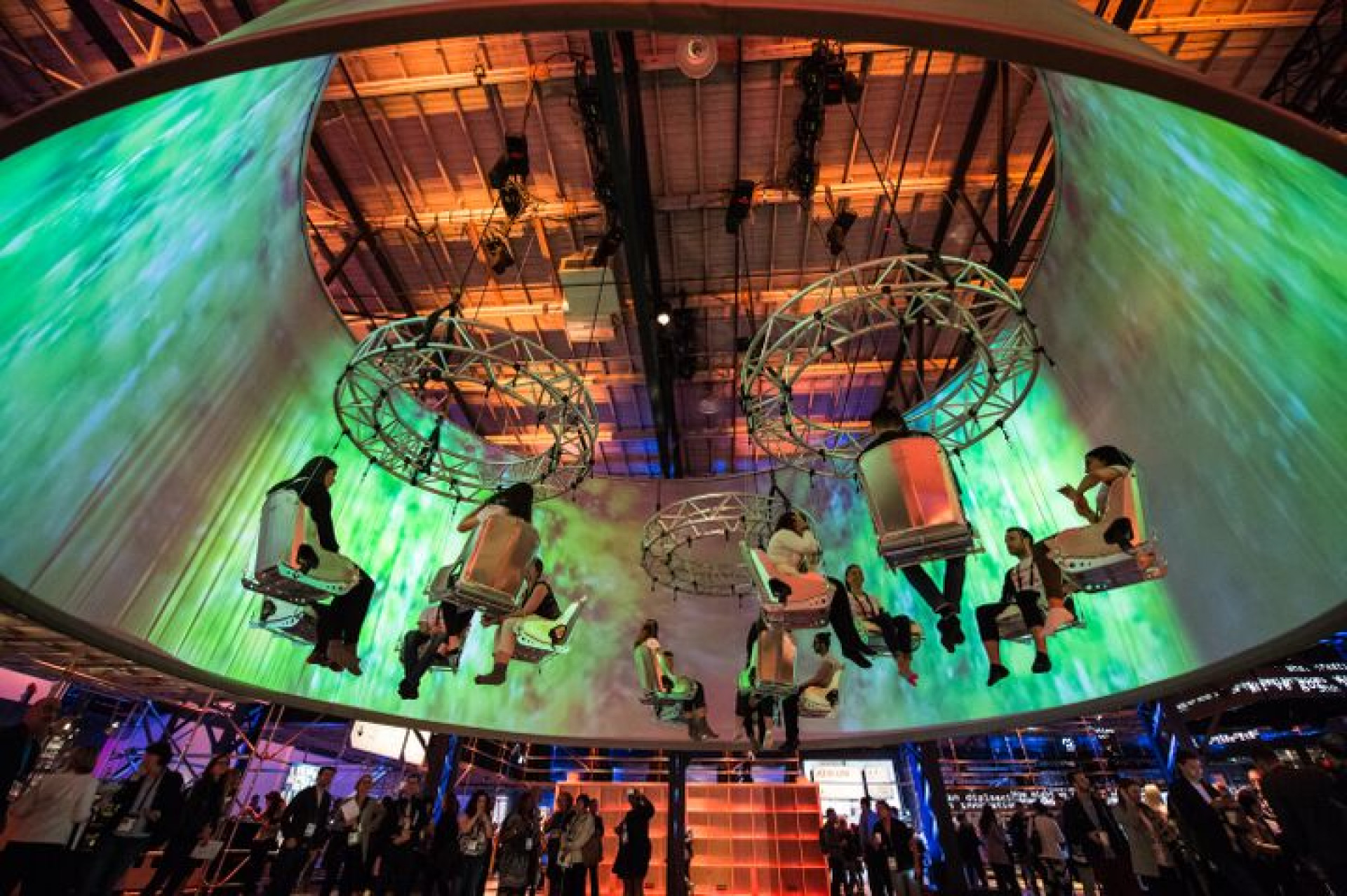
C2's SkyLab suspended small groups of participants in a pod high above the conference floor, deliberately introducing physical discomfort to break habitual thinking.
The theory: when you're mildly stressed by your environment, you're less likely to default to familiar ideas. It's become one of the most talked-about elements of the conference and a direct expression of C2's thesis that the conditions of creativity matter as much as the content.
Coachella's Hidden Speakeasies: Reward exploration
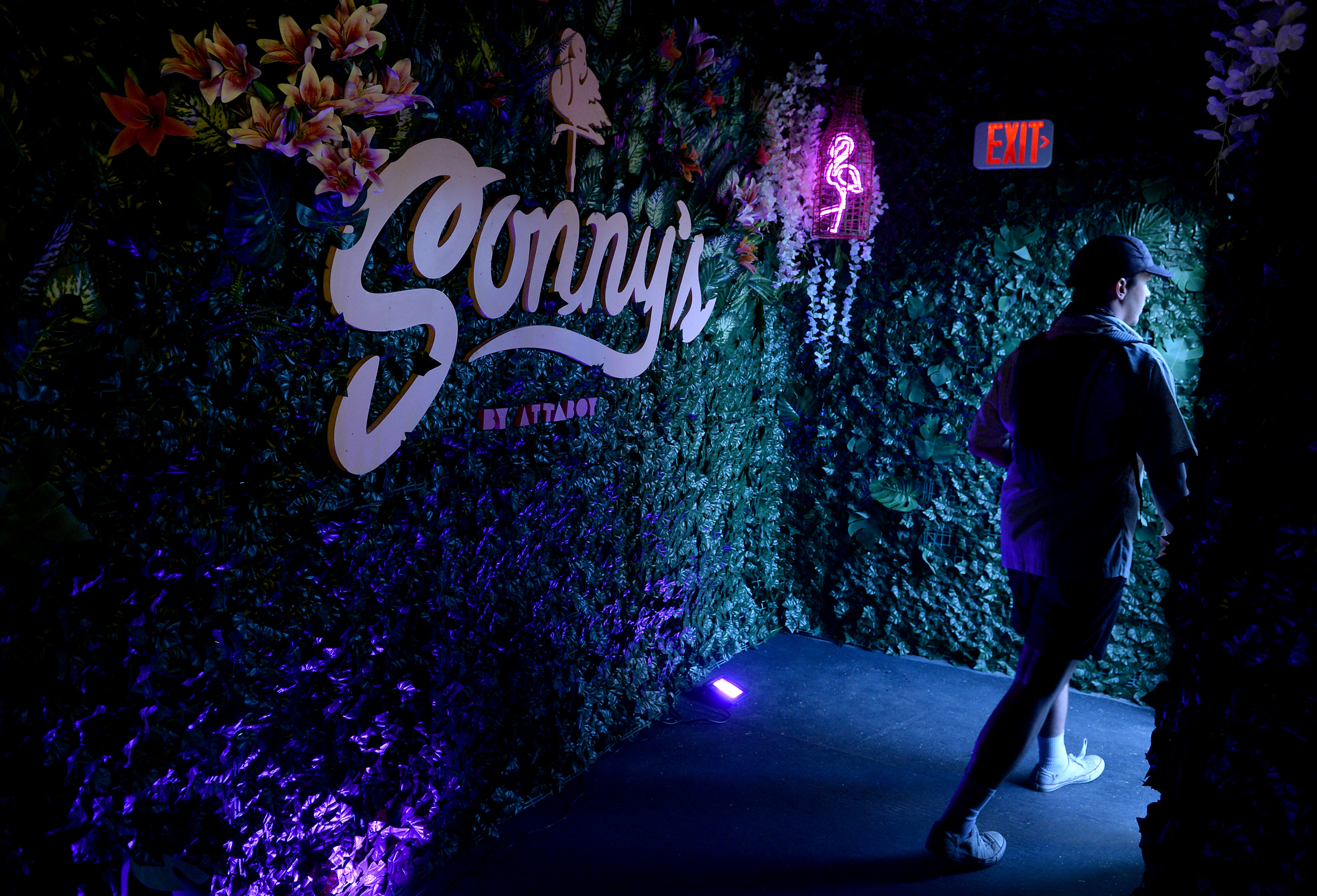
Coachella has built a culture of hidden discovery into the festival itself, with unmarked speakeasies, secret performances, and unlabelled spaces that reward exploration. Rather than broadcasting everything, the festival uses scarcity and rumour to drive excitement. Finding something hidden feels earned, which makes it more memorable and more shareable.
Coca-Cola’s Spice Shop: Let fans describe their taste to AI
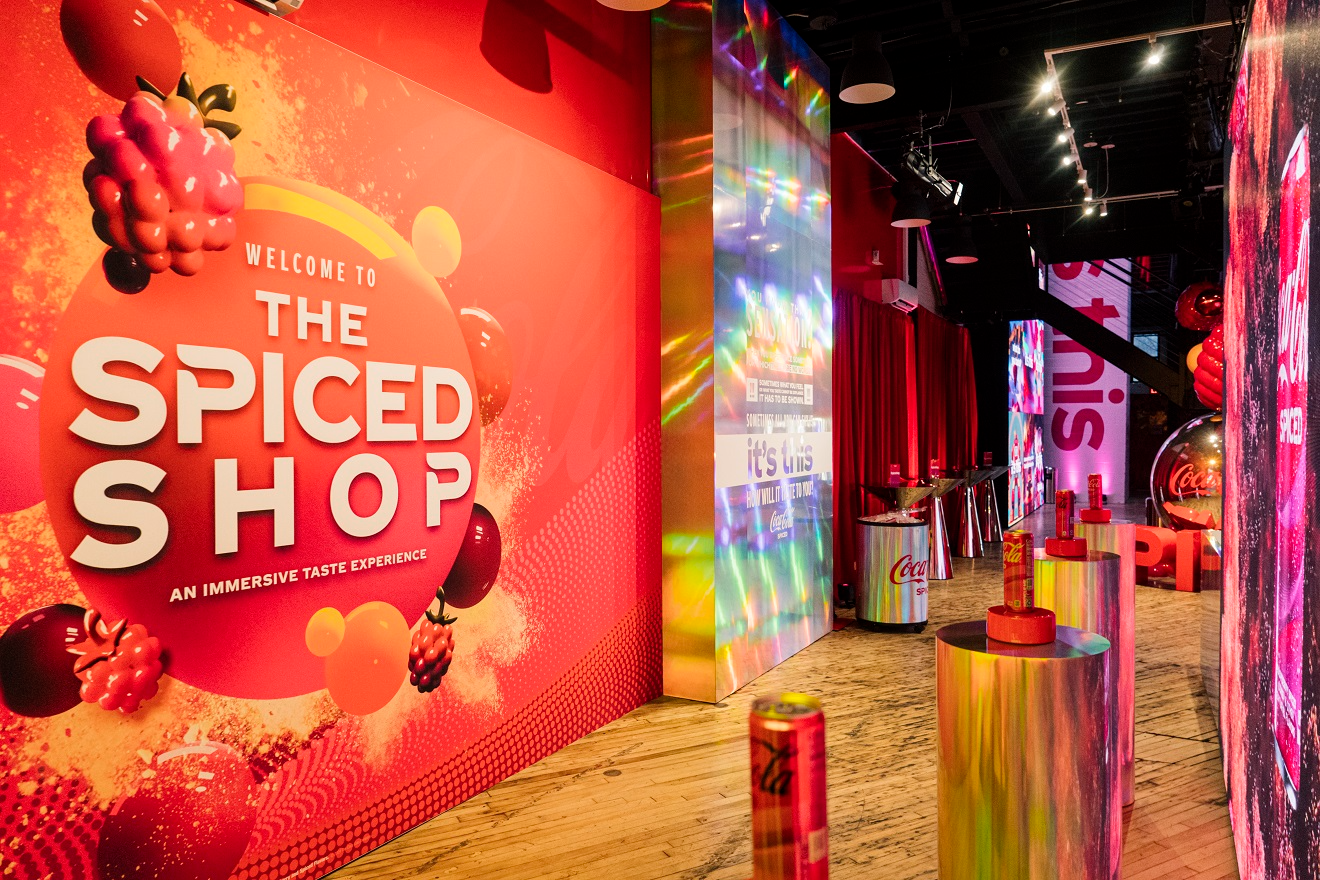
Coca-Cola created The Spice Shop, inviting fans to taste a new drink and then describe the flavour to an AI, which visualised their description as generative art. The activation fused product trial with creative participation, making the tasting itself a content moment. It's a smart use of AI that puts people at the centre, rather than the tech. Plus sounds fun and weird.
Crocs at ComplexCon: Reward people with a claw machine
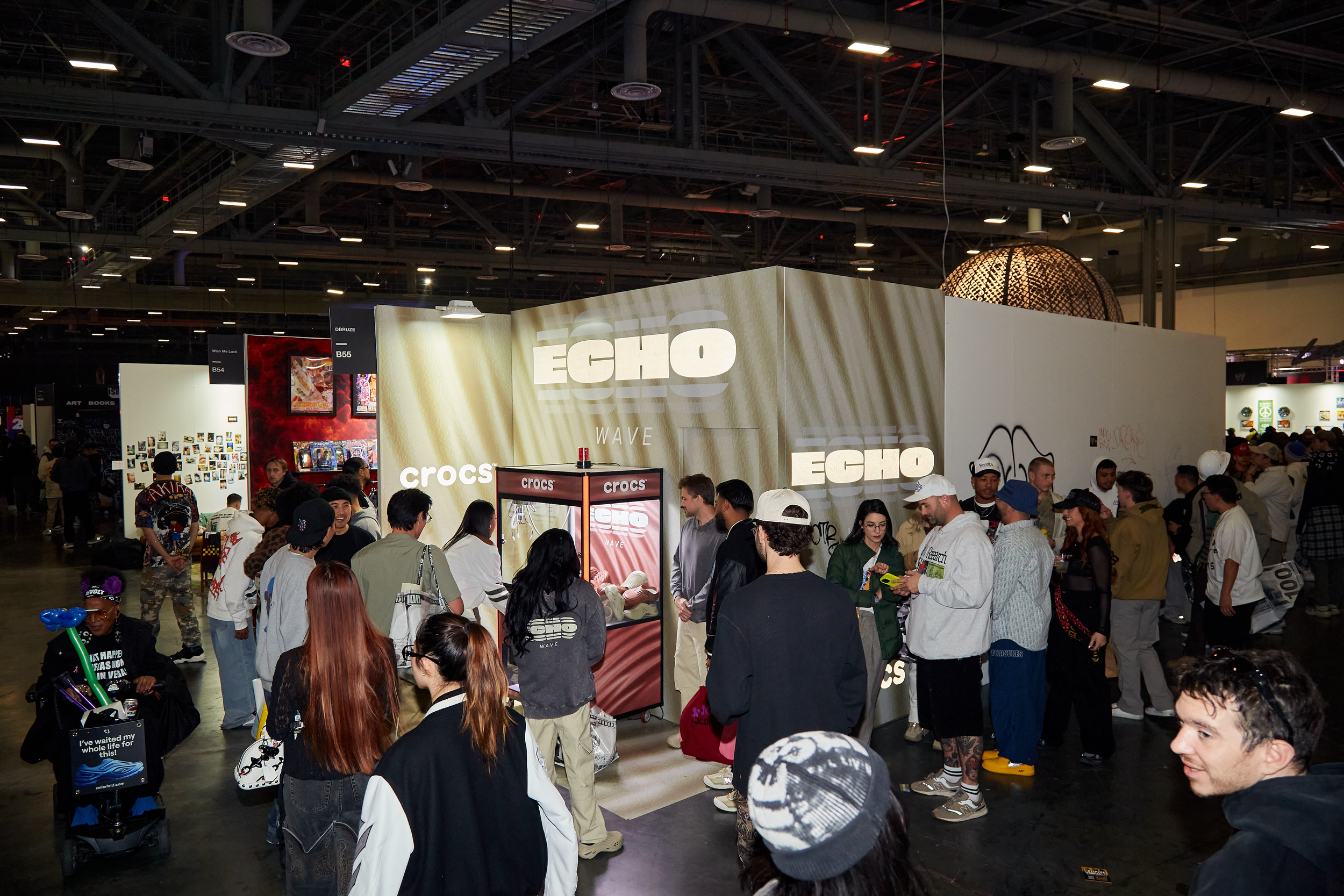
Crocs brought a giant claw machine to ComplexCon, stocking it with exclusive products and access passes that couldn't be bought anywhere else. The activation created visible, public competition for rewards and turned the brand into a spectacle on the show floor. It’s the kind of thing people film and share without being asked to. Plus, retro arcade machines are cool.
Disney MagicBand+: Make a theme park react to you
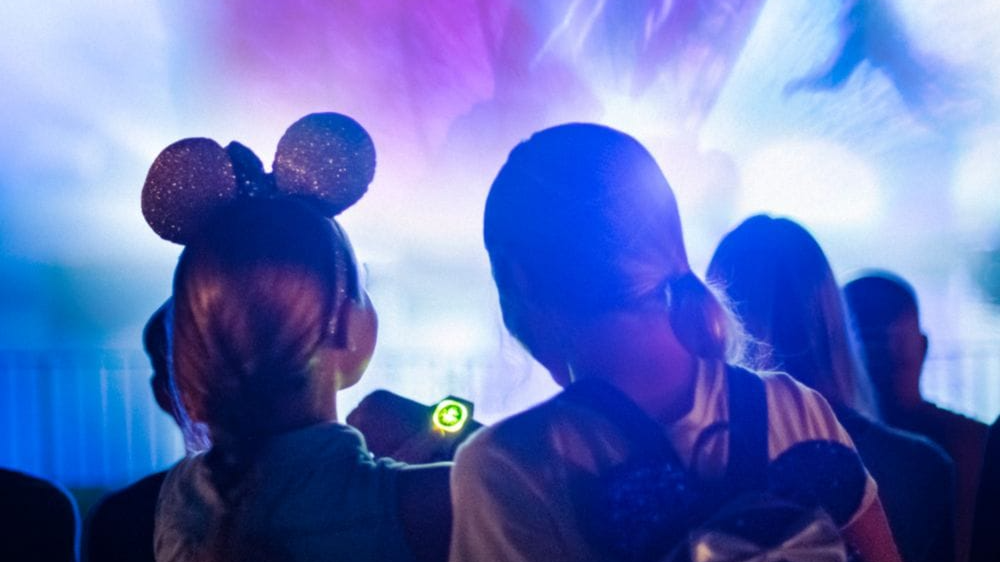
Disney’s MagicBand+ turns the physical body of a park visitor into an interactive sensor. The wristband lights up in sync with fireworks, pulses during select rides, activates statues to speak or play music, and guides guests through bounty-hunting quests. The park doesn't just react to visitors, it responds to individuals, making the experience genuinely personalised at scale. And even if you know the tech behind it is fairly standard, kids will probably go wild for it anyway.
Google I/O: Live music remixes and custom Android robots
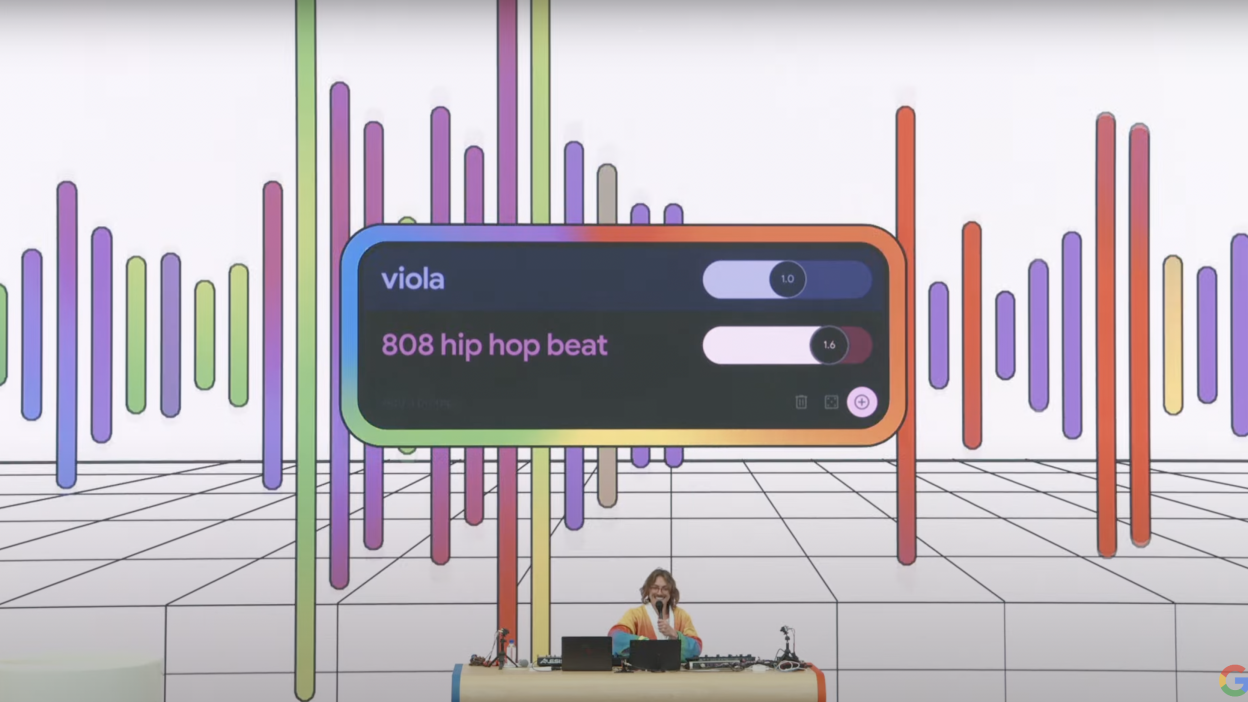
At Google I/O, Google demonstrated MusicFX AI with Marc Rebillet by letting attendees create and remix music in real time using natural language prompts. The audience watched and heard the AI work live, turning an abstract capability into something visceral and immediate.
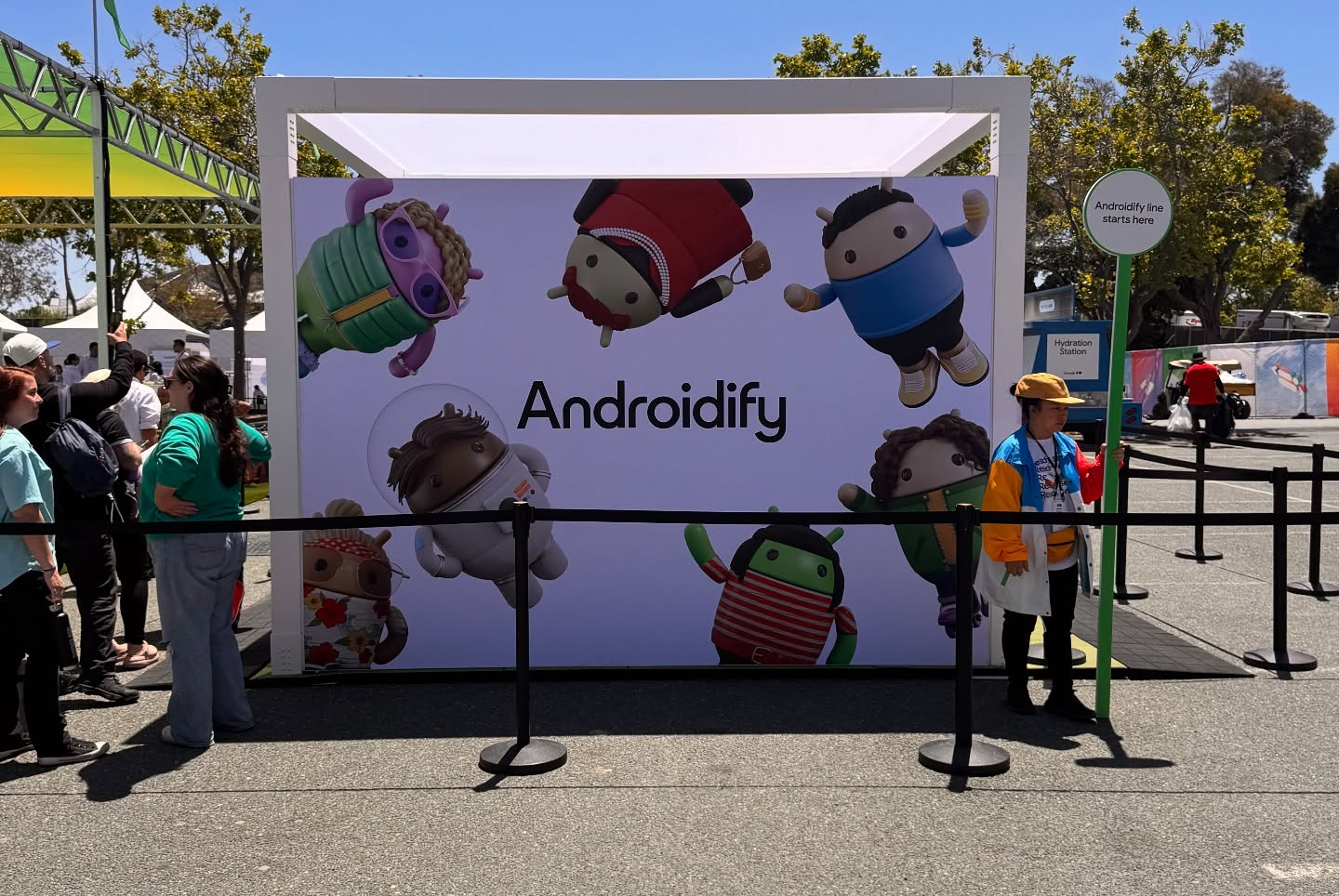
They also ran an activation around its Androidify bot, letting attendees transform themselves into Android characters, generating a flood of personalised social content. Sometimes the simplest tricks work the best. And everyone loves a funky custom robot.
Haleon: Using AI to visualise what chronic pain feels like
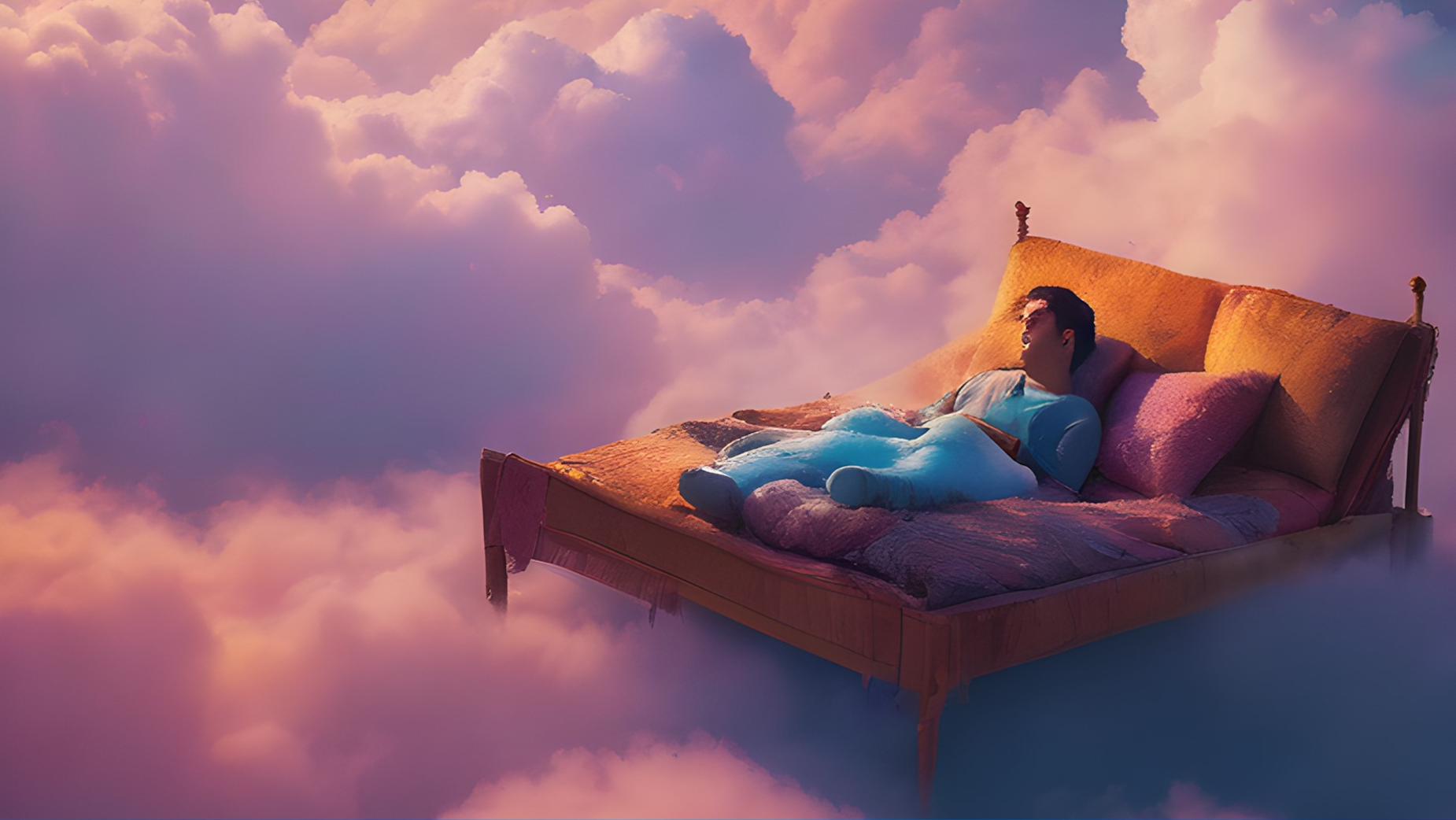
Haleon created ‘The Art Of Release’, an AI-powered experience that visualised real customer stories about chronic pain, turning invisible, subjective experiences into something people could actually see in front of them. The activation built emotional credibility at the point of contact. a smart move for a brand whose product promise is fundamentally about relief that's hard to show. This is a powerful way to show it.
The Human Library: Borrow a person to discuss taboo topics
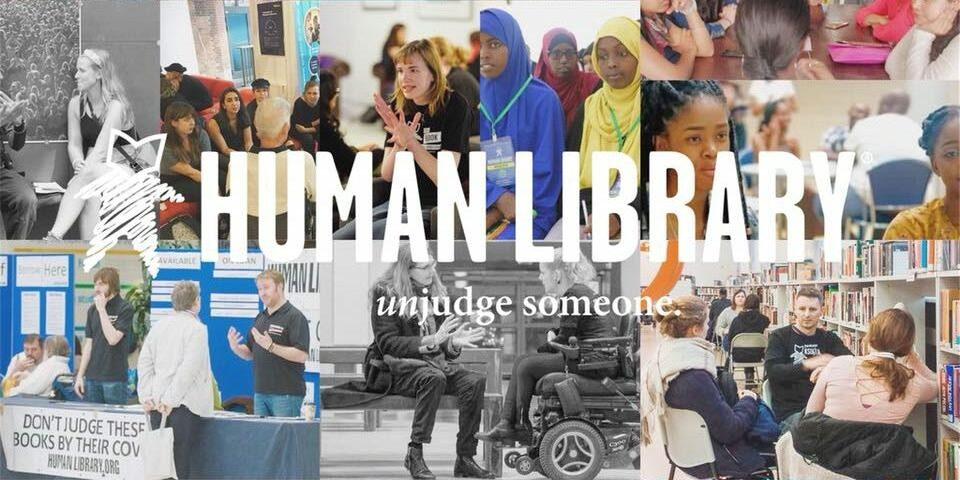
The Human Library is a permanent experiential concept that lets you "borrow" a person to discuss a taboo topic. Often, someone who represents a group, identity or experience that is often subject to prejudice. You don't get a book; you get an hour with a human being. It's been run in over 80 countries and has been adopted by brands, festivals, and institutions all over.
Liquid Death: Sell your soul for exclusive access
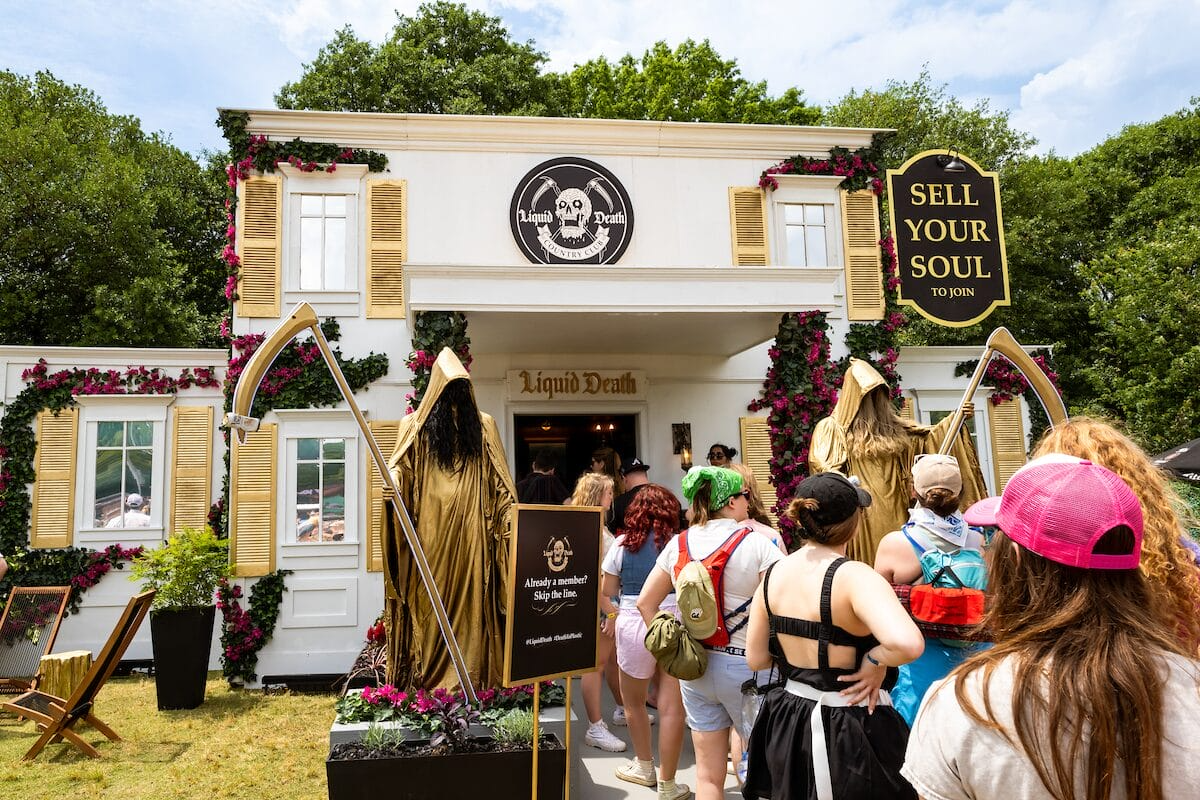
Liquid Death created Country Club, where they asked fans to literally sign over their souls via a formal-looking legal contract to unlock access to an exclusive brand experience. It's a perfect expression of the brand's irreverent image. Death imagery, legal theatre, commitment as the price of entry. The barrier made the access feel earned, and the absurdity made it shareable.
MeowWolf QPASS: Unlock a different experience every time
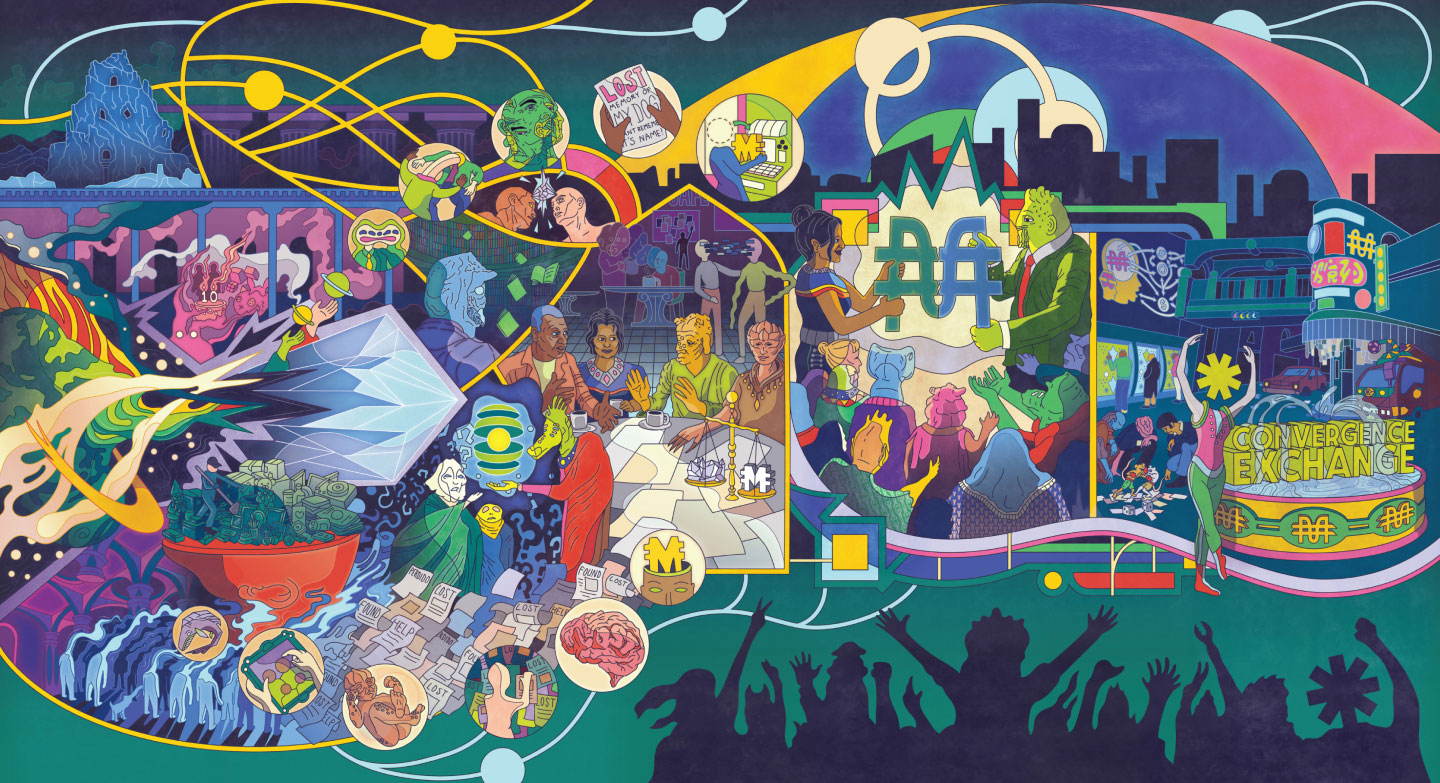
MeowWolf's QPASS is a wristband-based system that allows visitors to unlock exclusive content, hidden areas, and personalised narrative threads as they move through their Convergence Station. Rather than a single linear path, the space branches based on what you've discovered. No two visits are identical, and the wristband helps you collect memories.
Merck: Standing out by ditching corporate colours
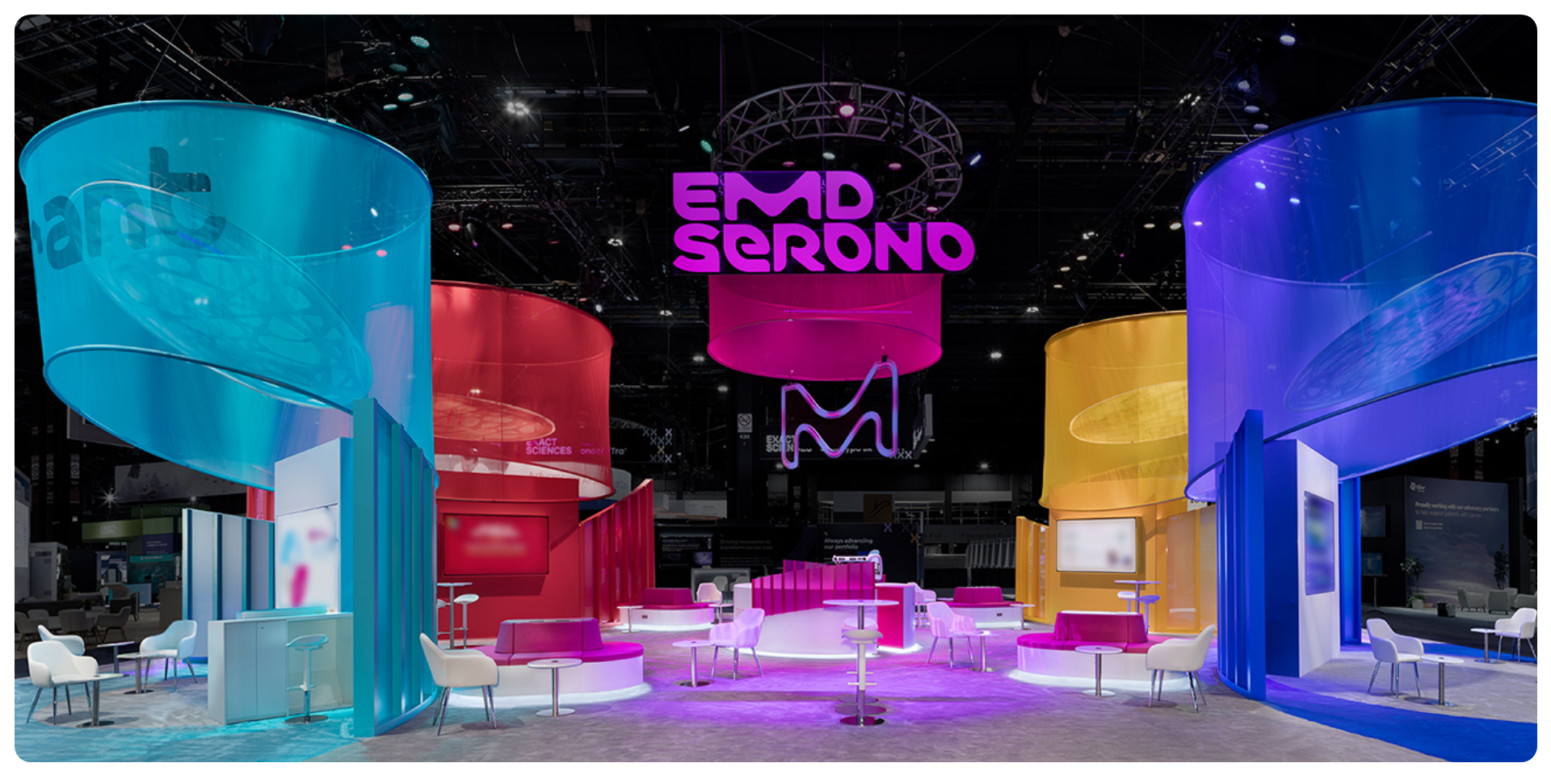
Merck abandoned the standard corporate navy-and-white palette that dominates oncology conferences and rebuilt their oncology conference stands around bolder, more distinctive visual choices. In a sea of identical stands at events like ASCO, visual differentiation alone is enough to stop traffic. The move was strategic: high-consideration B2B buying decisions are influenced by the same trust and credibility signals as consumer brands, and presence at an event acts as a proxy for both.
Netflix x WWE at ComplexCon: Film your own entrance
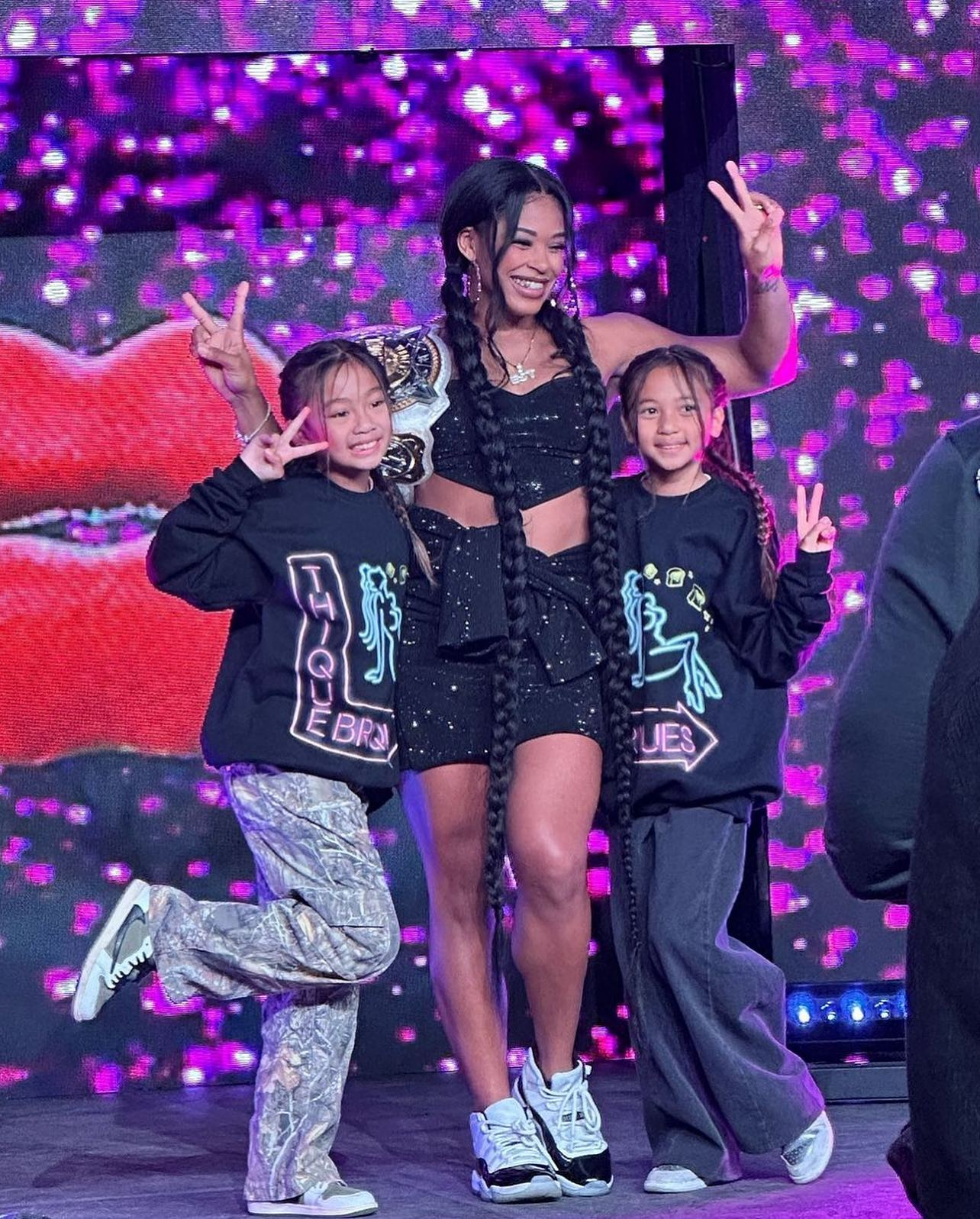
At ComplexCon, Netflix gave WWE fans the chance to film their own entrance walk just like a WWE superstar would. Full production, entrance music, effects, the whole lot. The activation landed at the intersection of the Netflix/WWE partnership and was a fan favourite. It was participatory, photographable, and directly tied to a content property now tied to Netflix.
Nurofen: ‘See My Pain’ exposed the gender pain gap
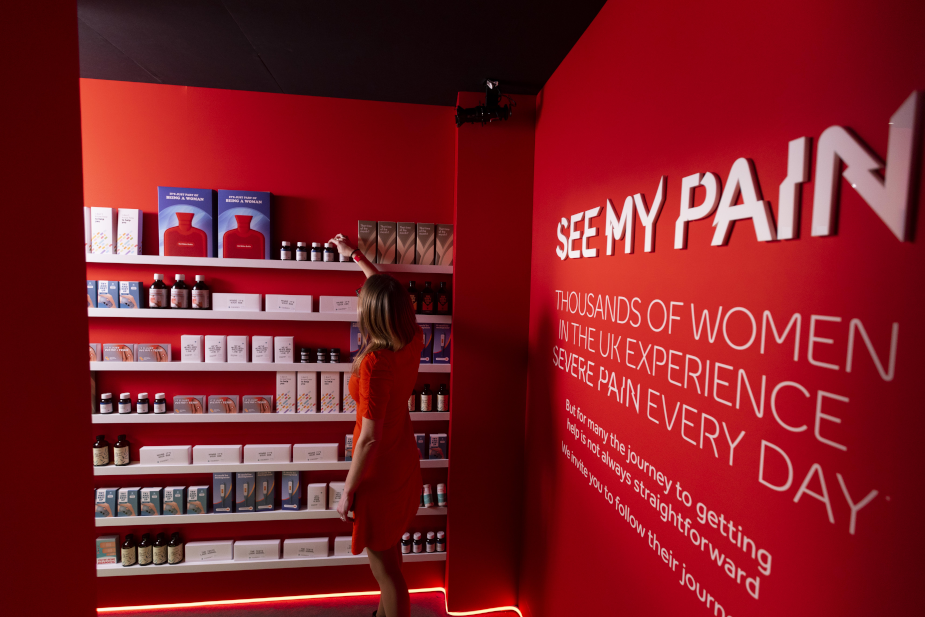
As part of the ‘See My Pain’ campaign, Nurofen and McCann London created a series of fake medicine products (pill bottles, plaster packs, heat pads) labelled with the real dismissals women hear about their pain: "it's all in your head", "maybe you're stressed", and so on.
The mock-up pharmacy was distributed at an International Women's History Month event in London, with each product containing Nurofen's Gender Pain Gap Index Report. The campaign rested on the finding that 56% of women feel their pain is ignored by healthcare professionals. A later iteration projected real women's stories onto a giant 13x22-foot pill packet sculpture in Newcastle.
Pinterest at Coachella: Search trend aesthetics
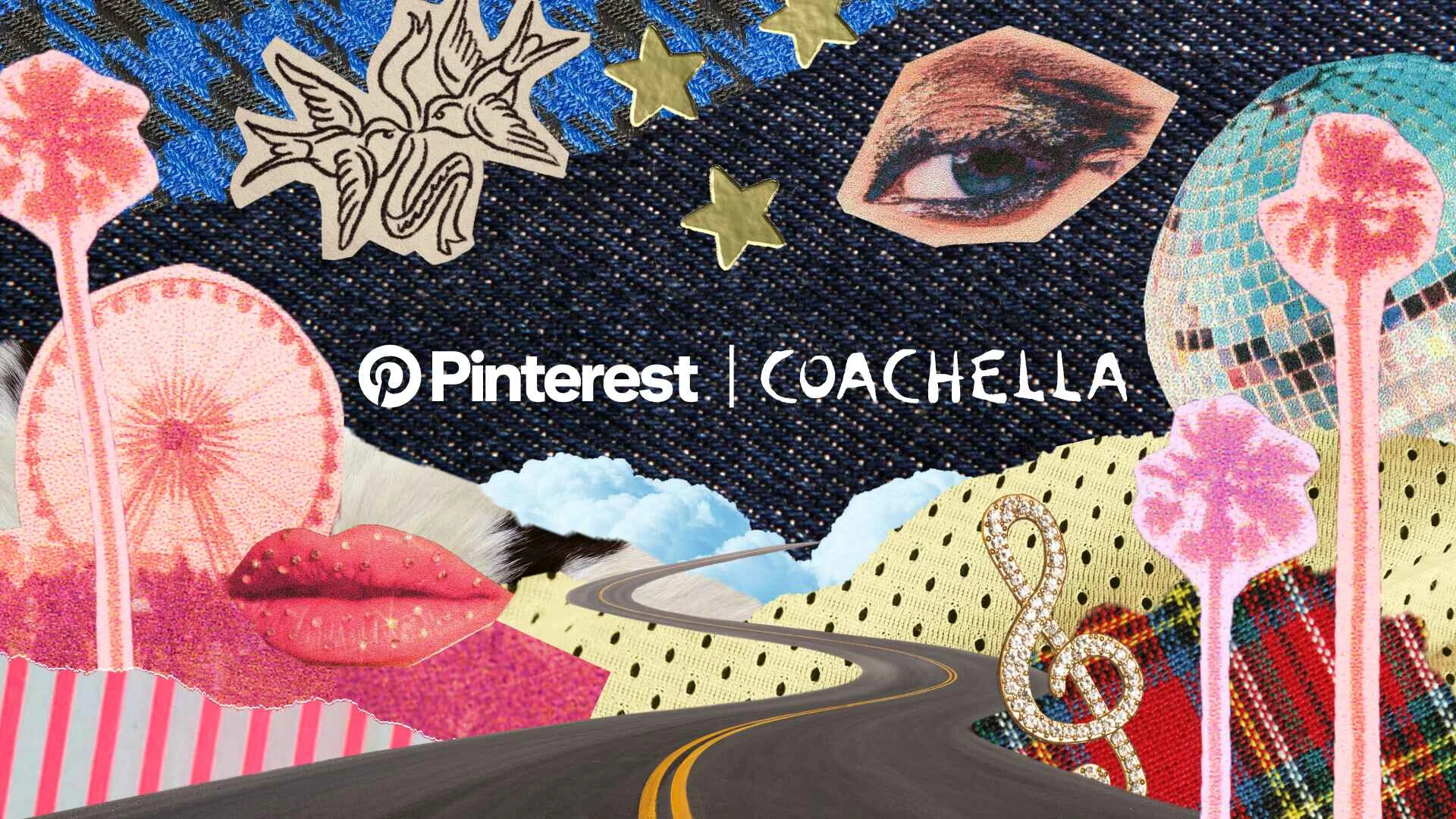
Pinterest built immersive areas at Coachella directly inspired by their own platform's trending search data, bringing the most-searched aesthetics and moods to life as physical spaces. Working with creators, they gave fans a chance to experience interactive installations, styling areas, and even a photo studio.
Salesforce at Dreamforce: Corporate comedy wins
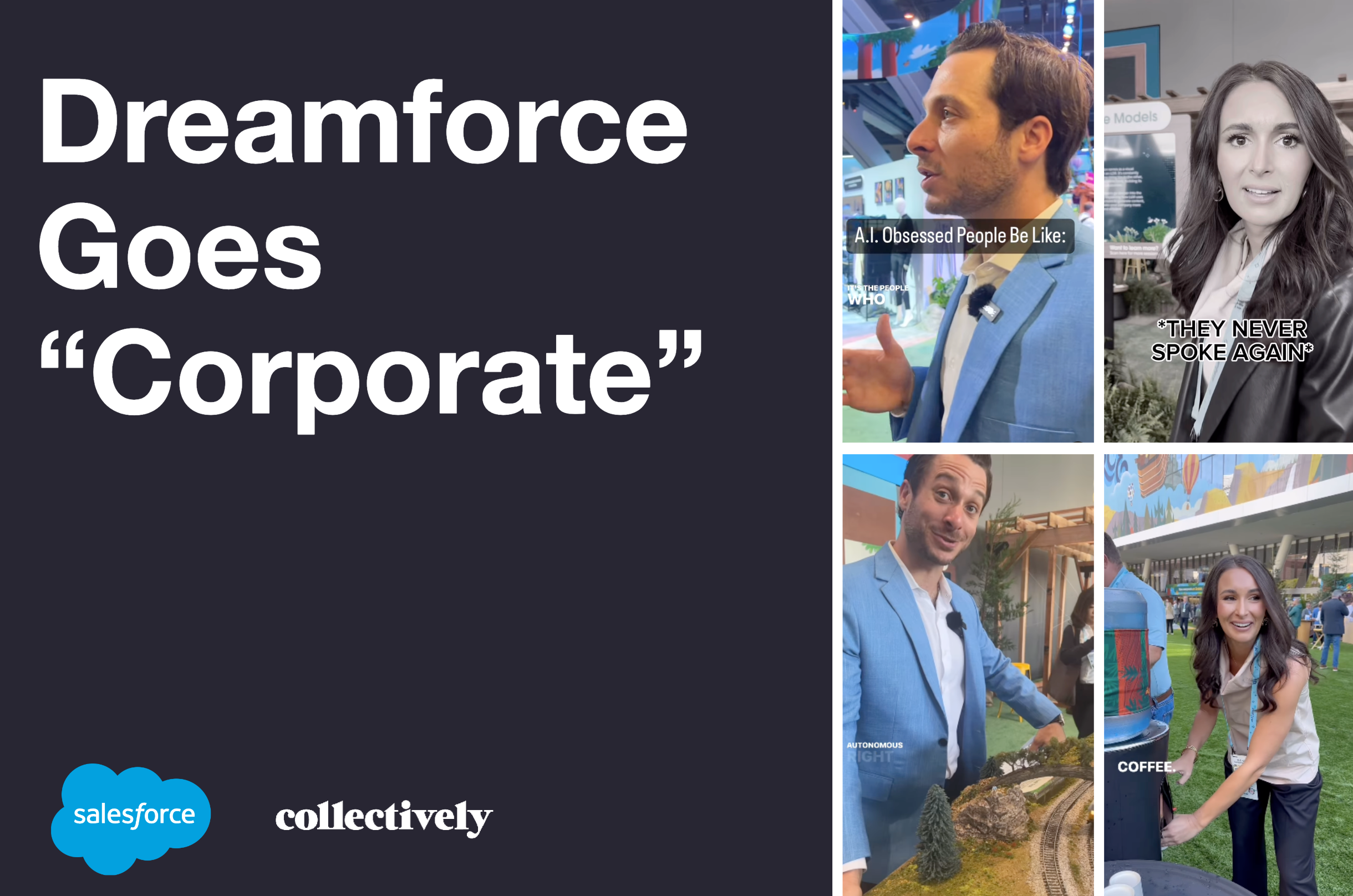
Salesforce brought @Corporate.Bro and @CorporateNatalie, creators known for satirical takes on office life, directly into Dreamforce to create content from inside the event. The dual content stream gave Salesforce something it struggled to generate organically: genuine comedy, and better odds of getting shared.
In 2024, Salesforce also booked John Mulaney, who proceeded to roast the audience as "imminently replaceable" workers in "fleece vests", a moment that went viral and generated news coverage money couldn't buy. Giving funny people real latitude will always beat scripted notes.
Sharpie x Paper Mate at SXSW: Draw your cocktail
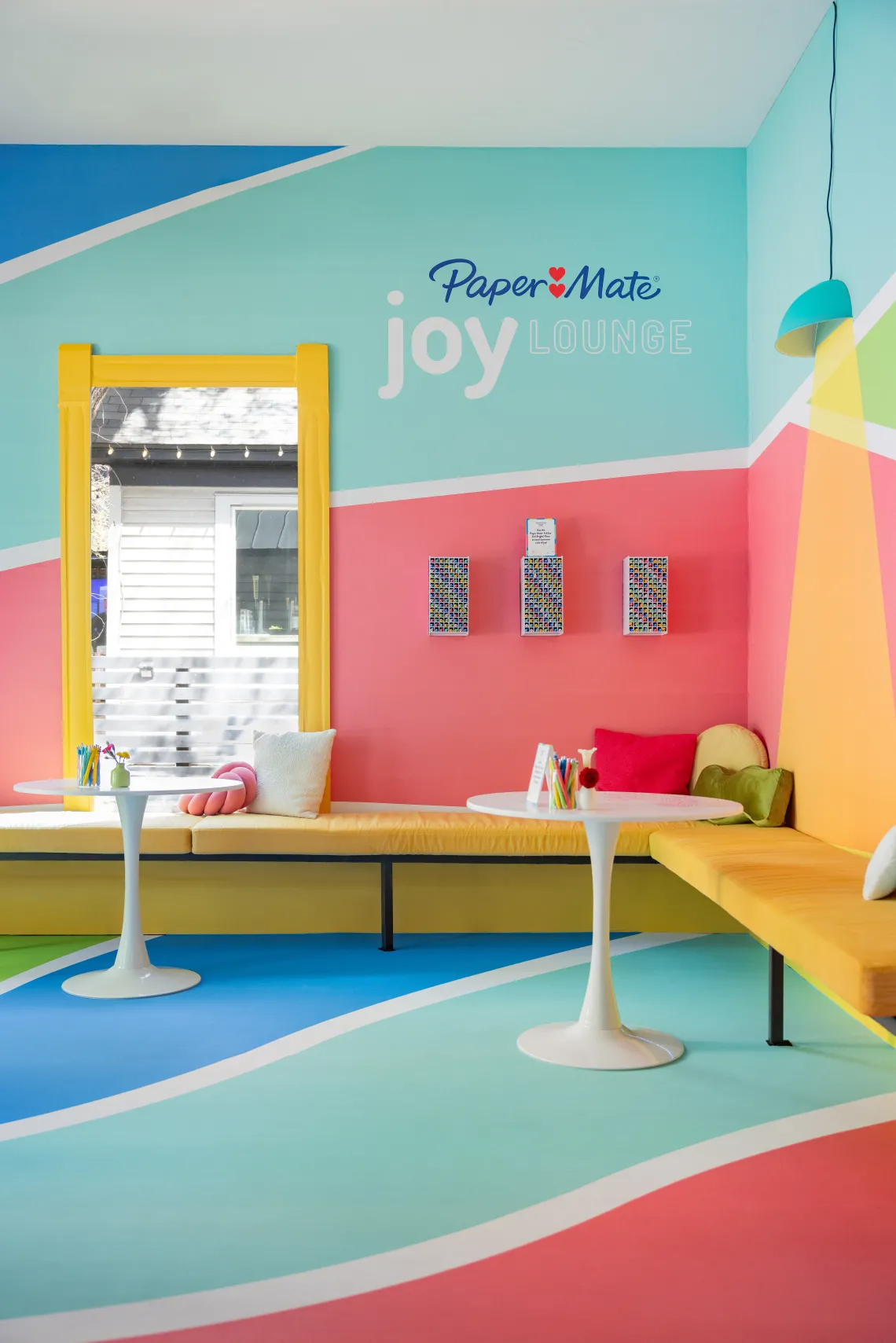
Sharpie and Paper Mate invited people at SXSW to draw their ideal cocktail so that a bartender could make it into an actual drink. Simple, tactile, on-brand, and deeply interactive. It turns both products (markers and creativity) into the mechanism of the experience rather than just the logo on a banner. Plus, it looks ace.
SK at CES: AI Fortune Teller gets people to queue up
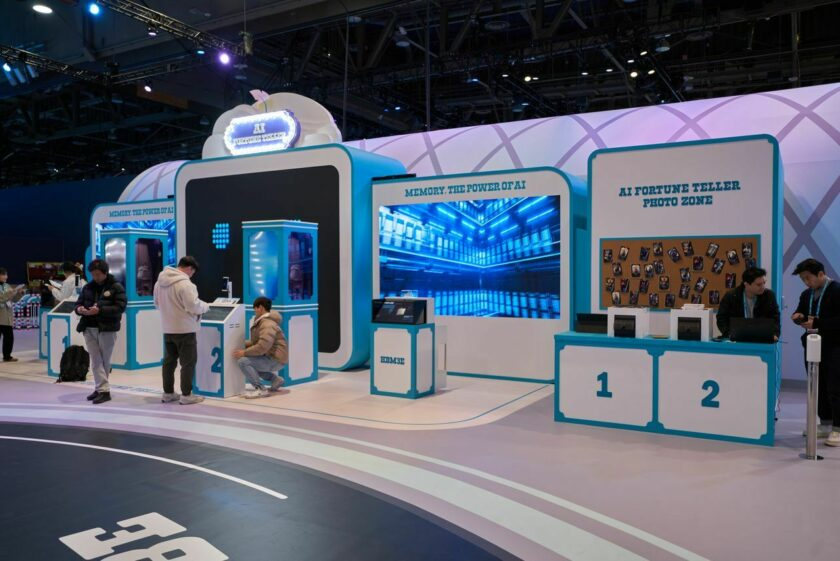
SK created an AI Fortune Teller at CES that generated personalised predictions for visitors, leading to queues of up to 45 minutes. At a trade show where most stands are selling products, SK was selling an experience. The queue itself became a signal: if that many people are waiting, it must be worth seeing. Plus, great trigger to get creators talking about SK’s stand.
Sol de Janeiro at Coachella: Memories through smell
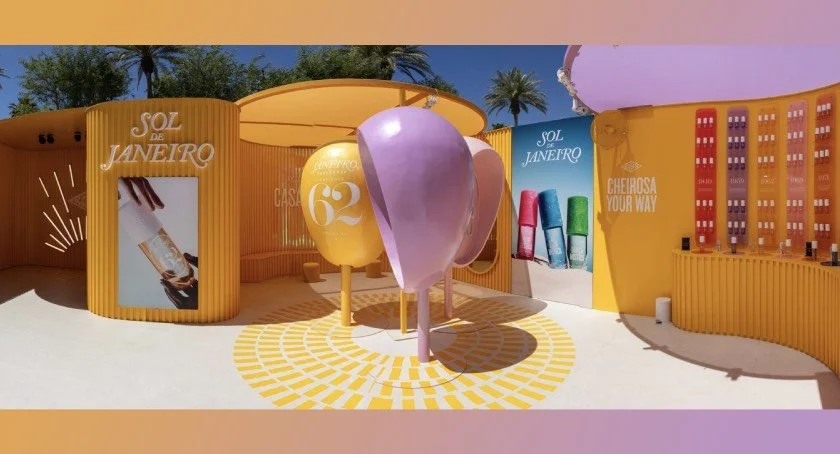
Sol de Janeiro built scent into the heart of their experiential work at Coachella, using fragrance to trigger emotional memory and brand association. The science backs this up, as olfactory memory is processed differently to visual or auditory memory, which is why smells can recall experiences with unusual intensity. A brand that makes you smell something specific at an event has a better chance of being remembered than one that just shows you something.
White Claw at Coachella: Going analog to reward fans
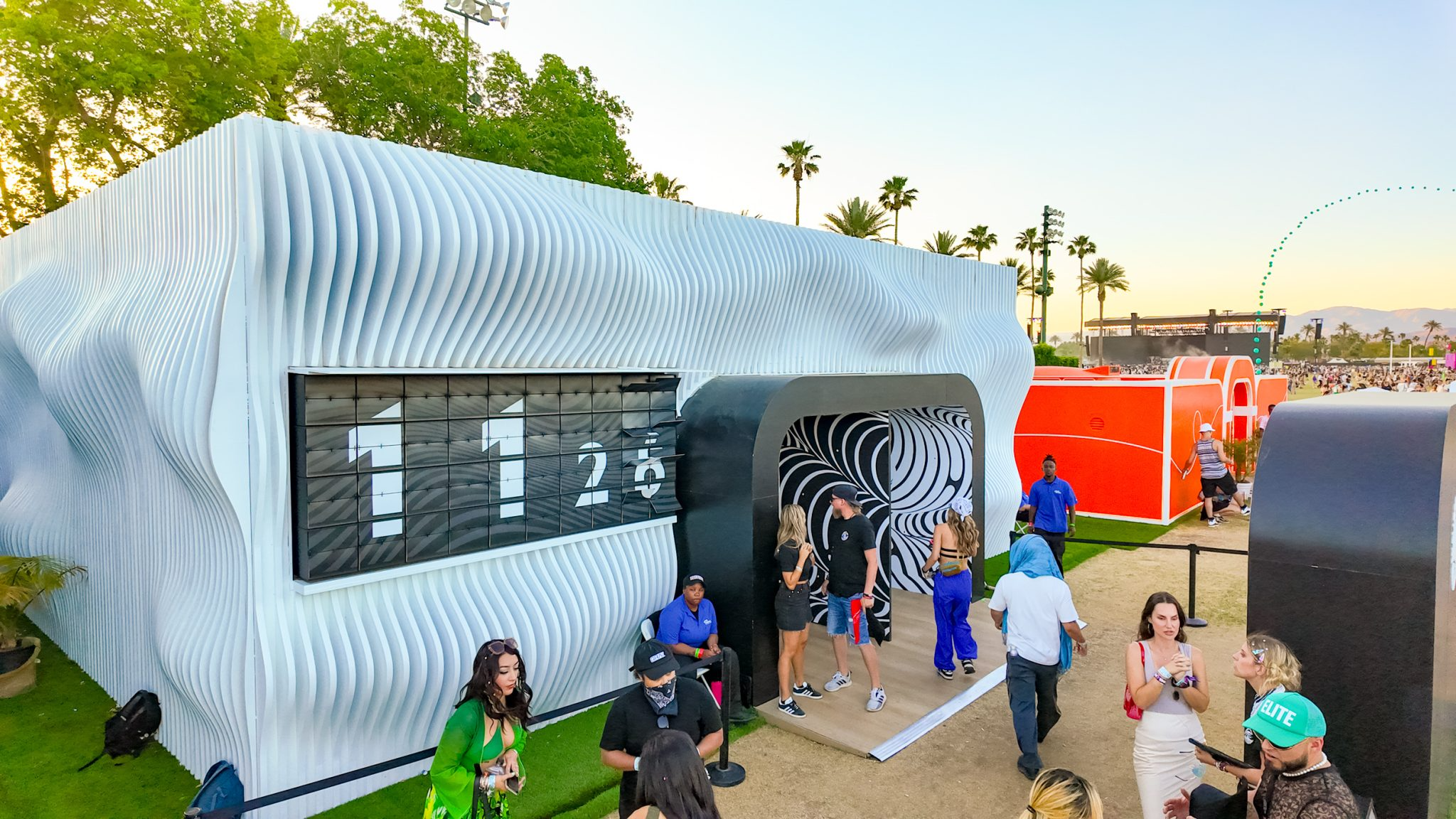
White Claw built their first-ever Coachella activation around a giant vintage flip clock, the ‘CLAW O'Clock’ installation, at the Shore Club pop-up. The analog countdown displayed publicly on the outside of the space, stopping passersby in their tracks. When the clock hit zero, something different happened each time: a surprise performance from Charli XCX or Bebe Rexha, a DJ set from SG Lewis, or another exclusive drop. Over the two festival weekends, 42 separate CLAW O'Clock moments happened. The analog clock worked better than a screen in bright desert sunlight, and the unknown reward created genuine, repeated anticipation.
Frequently asked questions about event marketing
What is the ROI of event marketing?
Event engagement drives brand consideration 34% higher than among non-attendees, and attendees who engage with a brand at an event are 60% more likely to purchase. Trust among leading brands, which events directly build, correlates with a 50% increase in market share and 2x more advocacy (Edelman, 2025).
How much are brands spending on events in 2025?
Event budgets are the fastest-growing line in the marketing mix, with +10.9% growth forecast for 2025/26 according to the IPA Bellwether Report, at a time when overall B2B marketing spend is declining by -3.1%. 78% of marketers plan to maintain or grow their event budgets this year.
Are live events more effective than digital marketing?
For trust and memory-building, the evidence strongly favours live. 77% of attendees trust a brand more after an in-person interaction, 98% of emotional responses last beyond the event itself, and 80% of marketers believe live events are critical to their overall mix, something digital channels alone struggle to replicate.
Why are B2B brands investing more in events?
Three forces are converging: digital channels are increasingly crowded and AI-generated, making human presence more distinctive; events generate collateral that can be distributed across media; and in-person interactions build the kind of trust that accelerates long sales cycles. 97% of B2B marketers say they want to humanise their brand — events are one of the few reliable ways to do it.
What makes a brand activation successful at an event?
The best activations in 2025 share a few traits: they make attendees the protagonist rather than the audience, they create something worth filming or talking about, and they express the brand's actual personality rather than just displaying a logo. The 24 examples in this post illustrate each of those principles in action.
Implications for B2B service brands
A few one-line thoughts on where we go from here. Steal them for your next meeting:
Media fragmentation made events more palatable, because they give you enough collateral to distribute across media and therefore deliver better bang for buck.
Events are crucial for B2B because when everyone can now spam you with InMail and badly targeted messages, feeling the presence of an actual human next to you stands out.
Therefore events might be one of the last refuges from AI-made marketing interactions, making brands, businesses and individuals more AI-proof in the process.
Events have a callback effect, because when someone sees you on crowded media channels later on, they’re more likely to remember seeing you in person. (h/t Jared)
Events engage more senses than pure broadcast communications ever could, improving the odds of building memories you feel in your body, rather than just recall in your head.
A physical demonstration of your product or service is a killer way to build trust both in terms of capability (can you solve my problem) and trustworthiness (do I like your vibe?).
The quality and commitment of your presence at an event is enough of a costly signal of how you might service me if I were to become a future customer. (h/t Jared)
The more you demonstrate “proof of humanity”, whether by showing the behind the scenes of your communications or through your events body language, the more you win.
Written by Rob Estreitinho, a comms and social strategy consultant and the founder of Salmon Labs. You might also enjoy getting my newsletter. 6,000 readers at a 60% open rate, read by agency and in-house strategy leaders from all five continents. Subscribe below.